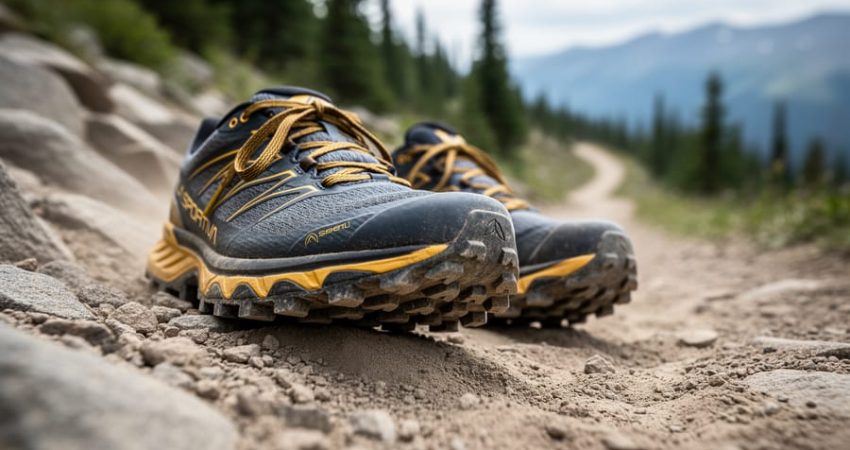
La Sportiva trail running shoes represent one of the most technically sophisticated lineups in the sport, but choosing the right pair requires understanding a brand philosophy that prioritizes precision fit and mountain heritage over mainstream comfort. These Italian-engineered shoes run narrower and more race-oriented than typical trail runners, with European half-sizing that creates smaller increments than US standards, meaning your usual size might not translate directly.
If you’ve been eyeing La Sportiva after hearing other runners rave about their grip on technical terrain or their lightweight mountain racing pedigree, you’re likely wondering whether these shoes match your specific trail running needs and how to navigate a product range that spans everything from ultra-cushioned trainers to aggressive fell racing flats. The short answer: La Sportiva excels at technical, aggressive trail running where precision matters more than plush comfort, but getting the fit right is absolutely critical to unlocking their performance.
I learned this the hard way on a training run through rocky single track in the Rockies. I’d ordered my usual size in a La Sportiva model, assuming all trail shoes fit similarly. Three miles in, my toes were jammed against the front during descents, and I realized I’d made the classic mistake of ignoring the brand’s unique sizing approach. After exchanging for a half-size up and understanding how their snug midfoot wrap differs from American brands, those same shoes became the most confidence-inspiring pair I’d worn on technical descents.
This guide walks you through the decision framework you need: the key factors that separate La Sportiva models from each other and from competitors, how to match shoe types to your running style and terrain, which models suit different experience levels, and the common purchasing mistakes that lead to returns or blisters. By the end, you’ll know exactly which La Sportiva shoe deserves a spot in your rotation and how to ensure the fit works from your first run.
What Makes La Sportiva Trail Running Shoes Different
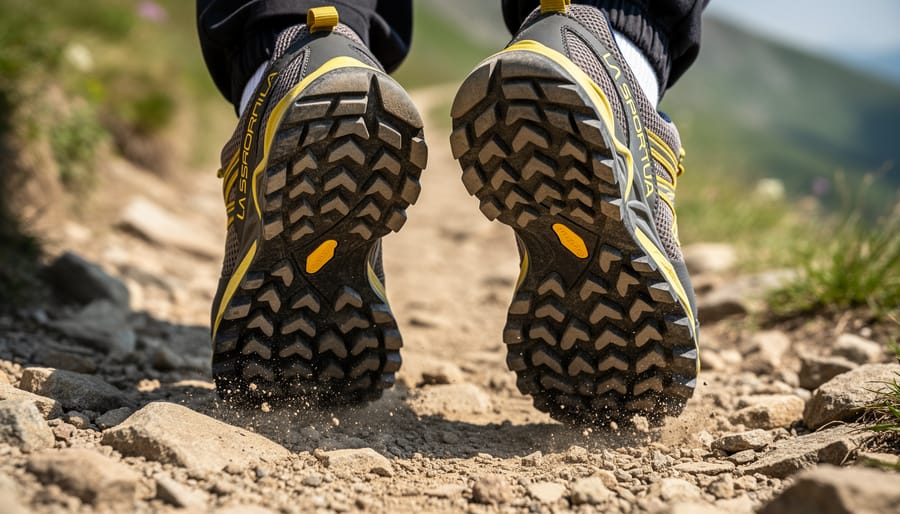
La Sportiva brings nearly a century of mountain expertise to their trail running shoes, which sets them apart from brands that started in road running. Founded in 1928 in the Italian Dolomites, the company built its reputation crafting technical footwear for climbers and mountaineers before entering the trail running market. This heritage shows up in their design philosophy: La Sportiva approaches trail shoes as technical mountain equipment rather than cushioned running platforms.
The most immediate difference you’ll notice is their sizing system. La Sportiva uses La Sportiva European sizing which increments in smaller half-size steps than US sizing. This creates a more precise fit but requires careful attention when ordering. A US size 9.5 doesn’t translate directly to a European 42.5 in La Sportiva shoes, and their narrower European lasts mean many runners need to size up compared to their typical running shoe size.
What truly distinguishes La Sportiva is how their mountaineering DNA influences every design choice. Their trail shoes often feature climbing rubber compounds on the toe caps, rock plates inspired by approach shoes, and aggressive lug patterns developed from decades of mountain boot engineering. Where mainstream trail shoe brands emphasize soft cushioning and smooth rides, La Sportiva builds for technical terrain where precision footwork matters more than plush comfort.
This technical focus attracts runners tackling steep, rocky, or technical mountain trails, but it means La Sportiva shoes feel distinctly different from brands developed primarily for groomed trail running. The company’s range spans multiple mountain sports, climbing, hiking, skiing, mountaineering, and their trail running shoes reflect this broader outdoor perspective rather than pure running biomechanics.
Key Factors to Consider When Choosing La Sportiva Trail Running Shoes
Understanding La Sportiva’s European Sizing
La Sportiva uses European half sizes, which means their increments are smaller than what most runners expect from US sizing systems. A European half size equals approximately 3.3mm, while a US half size jumps by 4.2mm. This tighter sizing scale gives you more precision but can make finding your perfect fit trickier if you’re used to American brands.
When converting from US sizing, you’ll typically add about 1 to 1.5 sizes to your normal US size, so if you wear a US men’s 10, you’ll likely need a European 43 or 43.5. But here’s the catch: that’s just a starting point. La Sportiva builds their shoes narrower through the midfoot and more anatomically snug around the heel than most American trail shoe brands. Your perfect size in a Hoka or Brooks won’t automatically translate.
Try La Sportiva shoes in the afternoon or after a run when your feet are slightly swollen, just like you would for any trail shoe. You want about a thumb’s width of space in front of your longest toe, but the midfoot should feel secure without any sliding. The heel should lock in with minimal lift, you’re looking for a performance fit, not casual comfort.
Don’t panic if your first pair feels snug across the top of your foot. La Sportiva uses stiffer, more durable materials than many competitors, and their uppers need a brief break-in period. What feels tight in the store will relax slightly after a few runs. If the length is right but width feels restrictive, some models come in wide options, though availability varies by style.
Matching Shoe Features to Your Trail Type
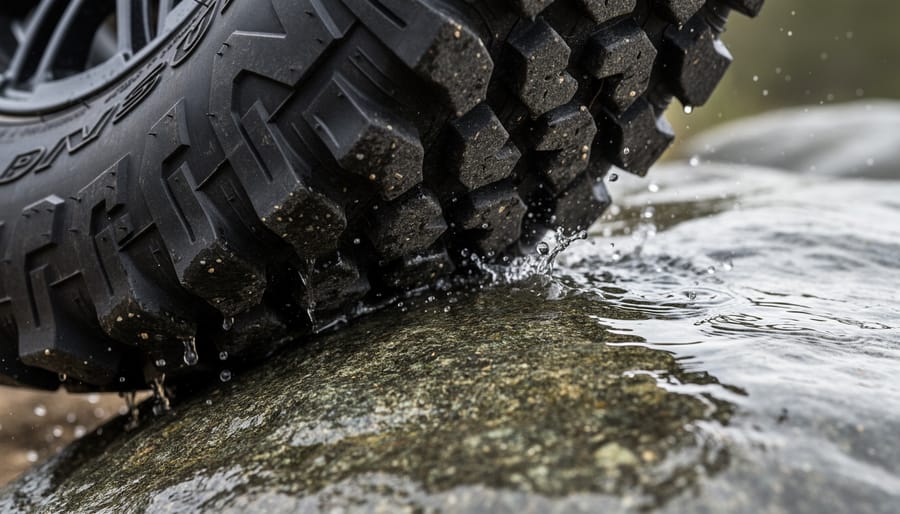
The terrain you run dictates which features matter most in your La Sportiva trail shoes. Technical mountain trails with loose rock, exposed roots, and steep descents demand aggressive lug patterns, look for multidirectional lugs that grip on climbs and provide braking traction when descending. La Sportiva’s FriXion rubber compounds vary in stickiness and durability, with softer compounds offering superior grip on wet rock and harder compounds lasting longer on abrasive terrain.
Rocky trails require rock plates to protect your feet from sharp stones and root strikes. Some La Sportiva models use thin, flexible plates that preserve ground feel while shielding the forefoot, while others incorporate stiffer protection for boulder fields and scree. If you’re navigating technical terrain regularly, prioritize models with reinforced toe bumpers that prevent painful impacts when your foot strikes an unexpected rock.
Smooth dirt paths and groomed trails need less aggressive features. A moderate lug pattern provides sufficient traction without feeling clunky on packed surfaces, and you can skip heavy rock plates in favor of lighter, more responsive cushioning. These conditions let you focus on comfort and efficiency rather than maximum protection.
Mixed-condition runners benefit from versatile all-around designs. Choose moderate lug depth that handles both dirt and occasional rocky sections, paired with partial rock plates that protect without adding excessive weight. This balanced approach works well for runners who encounter varied terrain on single outings or train across different trail systems throughout the week.
Cushioning and Stack Height Considerations
La Sportiva’s trail lineup spans from sub-20mm stack heights in their fast-and-light models to over 30mm in their ultra-distance offerings. This range reflects different philosophies: minimal cushioning keeps you connected to the trail and responsive on technical terrain, while maximal platforms absorb repetitive impact during long efforts. Your choice depends on how your body handles ground feel versus joint protection. Runners with strong ankles and good proprioception often prefer lower stacks for agility on rocky descents. Those logging high weekly mileage or managing knee issues typically benefit from more cushioning, as sole thickness impacts biomechanics and shock absorption. Consider where you feel fatigue after runs, if your feet and calves tire first, go thicker; if your knees or hips ache, you might need more cushioning underfoot.
Types of La Sportiva Trail Running Shoes Compared
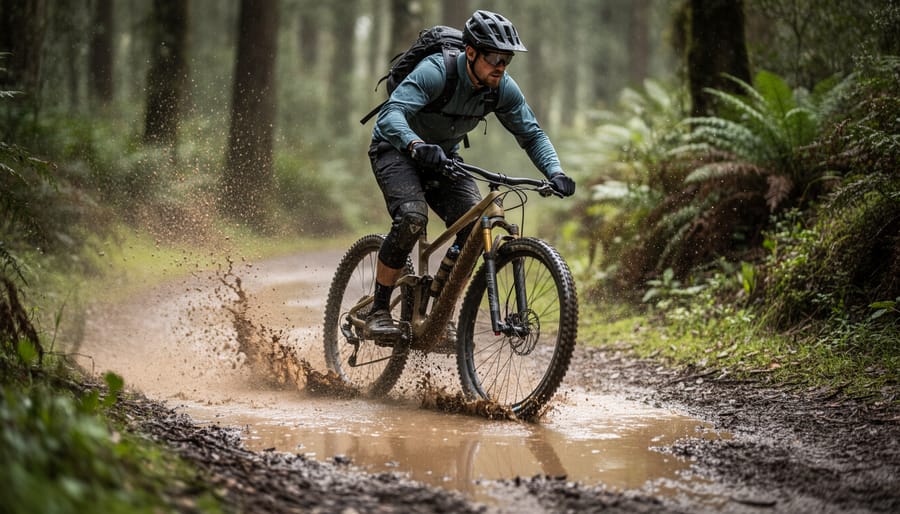
La Sportiva’s trail running lineup breaks down into four distinct categories, each engineered for specific demands you’ll face on different trails. Understanding these categories helps you zero in on shoes that match your running style and terrain.
Technical Mountain Running Shoes dominate La Sportiva’s range. These shoes prioritize precision on steep, rocky terrain where one misplaced foot can end your run. They feature aggressive lugs spaced widely apart for grip on wet rock, protective toe bumpers, and rock plates that shield your feet without killing ground feel. The uppers use reinforced materials that resist tears from sharp edges. You’ll recognize models in this category by their lower stack heights and snug, precision fits. They’re built for runners tackling technical single-track with significant elevation gain, scrambling sections, or exposed ridgelines where stability matters more than cushioning.
Ultra-Distance Trail Shoes take a different approach entirely. La Sportiva designs these for runners covering 50K to 100-mile distances on varied terrain. They pack more cushioning than technical models to protect your feet during long hours on trail, but they maintain enough ground contact to handle moderate technical sections. The midsoles use durable foam compounds that resist compression over time. These shoes typically weigh more than racing models but far less than traditional hiking footwear. If you’re planning multi-hour efforts where fatigue sets in and form deteriorates, the extra cushioning can prevent issues like stress fractures that develop from repetitive impact on tired legs.
Fast-and-Light Racing Shoes strip away everything non-essential. La Sportiva builds these for competitive mountain runners and skyrunners who prioritize speed on technical courses. They use minimal upper materials, thin but responsive midsoles, and sticky rubber outsoles borrowed from La Sportiva’s rock climbing heritage. The trade-off is durability, these shoes wear faster than training models. They excel on race day when you need maximum agility and ground feel, but they’re punishing for everyday training miles.
All-Around Trail Trainers bridge the gap between categories. These versatile shoes handle groomed dirt paths, moderate rock gardens, and occasional road sections without excelling at any single task. La Sportiva designs them with balanced cushioning, moderate lugs, and durable construction that survives mixed training. They’re heavier than racing shoes but lighter than ultra models, with enough protection for daily use but less precision than technical mountain shoes.
| Shoe Category | Best Use Case | Terrain Type | Key Features | Ideal Runner Profile |
|---|---|---|---|---|
| Technical Mountain | Steep, technical single-track | Rocky, wet, exposed | Aggressive lugs, rock plates, precision fit | Experienced trail runners on challenging terrain |
| Ultra-Distance | 50K to 100-mile races | Varied, long duration | Maximum cushioning, durable midsole | Ultrarunners prioritizing comfort over hours |
| Fast-and-Light Racing | Competitive mountain races | Technical courses, race day | Minimal weight, climbing rubber, responsive | Competitive runners seeking maximum speed |
| All-Around Trainers | Daily training, mixed terrain | Groomed trails, moderate rock | Balanced cushioning, versatile grip, durable | Runners wanting one shoe for varied conditions |
Most runners need shoes from two categories. Pair technical mountain shoes for challenging weekend adventures with all-around trainers for weekday maintenance runs, or combine ultra-distance cushioning for long efforts with racing flats for speed work. La Sportiva’s European sizing remains consistent across categories, so once you nail your size in one model, switching between types becomes straightforward.
Finding Your Perfect La Sportiva Model
Start with your primary running environment. If you tackle steep, technical mountain trails with loose rocks and exposed roots at least twice weekly, you need aggressive grip and protective features. If you mostly run groomed forest paths or hard-packed trails, you’ll want lighter shoes with less aggressive tread. Your terrain dictates whether you need rock plates, toe bumpers, and deep lugs, or whether you can opt for a faster, more nimble design.
Next, assess your weekly mileage and how you’ll use these shoes. Runners logging 30-plus miles per week need durable models with enough cushioning to handle repetitive impact. If you’re training for ultras or spending six-plus hours on trails each week, prioritize cushioning and comfort over weight savings. For runners doing shorter, faster efforts or racing 10K to half marathon distances on trails, lightweight racing models make sense. Your mileage volume directly influences how much shoe you need under your feet.
Consider your technical skill level and confidence on uneven terrain. Beginners transitioning from road running typically benefit from moderate cushioning and stability features that inspire confidence on unfamiliar surfaces. Experienced trail runners with strong ankles and practiced footwork can handle lower-profile shoes with minimal support. Be honest about your current ability rather than buying for where you hope to be in six months.
Evaluate your foot shape and any specific fit requirements. If you have wide feet, narrow down models known for roomier toe boxes before worrying about other features. Runners with high arches need adequate underfoot support, while those prone to blisters should prioritize seamless construction. Your anatomical realities trump marketing claims about performance features.
Think about climate and typical trail conditions in your area. Wet, muddy trails demand aggressive tread and potentially waterproof membranes. Dry, rocky terrain calls for sticky rubber compounds and rock protection. Year-round runners need multiple pairs for different seasonal conditions.
Once you’ve answered these questions, research where to buy La Sportiva models and try on the two or three shoes that match your criteria. Your feet will tell you which one fits best when you simulate running movements in the store.
Common Mistakes to Avoid When Buying La Sportiva Trail Shoes
Trail runners new to La Sportiva often stumble over the same preventable mistakes that lead to returns, discomfort, and wasted money. Understanding these common errors helps you skip straight to finding your ideal pair.
The most frequent mistake is misunderstanding La Sportiva’s European sizing system. Many runners simply order their usual US size and end up with shoes that don’t fit. La Sportiva uses European half sizes with smaller increments than US half sizes, which means you can’t just convert straight across from your road shoe size. Some runners need to go up a full size, while others find their usual European size fits perfectly. The fit also varies between models within La Sportiva’s own lineup.
Another costly error is choosing La Sportiva trail shoes based on road running preferences. Runners accustomed to heavily cushioned road shoes often gravitate toward La Sportiva’s most cushioned models, then find them too soft and unstable on technical trails. The cushioning that feels perfect on pavement can actually work against you on rocky, uneven terrain where ground feel and stability matter more.
Ignoring the break-in period causes premature frustration. La Sportiva’s technical construction, particularly in their more aggressive models, requires a few runs before the materials soften and conform to your foot. Runners who judge fit and comfort on the first run sometimes return perfectly good shoes that would have felt great after 15 to 20 miles.
Mismatching shoe type to terrain wastes the shoe’s specific strengths. Buying a technical mountain running shoe for groomed park trails gives you aggressive lugs and rock plates you’ll never use, while wearing a fast-and-light racing shoe on rocky alpine trails leaves your feet unprotected and beaten up. Match the shoe’s design to where you actually run, not where you imagine running someday.
What to Know About Returns and Warranties
Understanding La Sportiva’s return and warranty policies before you buy can save you headaches down the road, especially if you’re ordering online or dealing with fit issues that sometimes lead to top of foot pain.
If you purchase directly from La Sportiva North America, you can return your shoes for a complete refund of the purchase price. This direct-purchase return policy gives you breathing room to test the fit at home, which matters given La Sportiva’s European sizing can catch people off guard. Keep your receipt and original packaging, and don’t wait too long to decide.
The warranty process works differently. Any La Sportiva products you believe have manufacturing defects must be returned to La Sportiva for evaluation. You can’t handle warranty claims through retailers where you bought the shoes. La Sportiva inspects returned items to determine whether the issue stems from a defect or normal wear. Upon inspection, they’ll either replace the product or explain why it doesn’t qualify for warranty coverage.
This inspection requirement means you’ll be without your shoes during the evaluation period. If you rely on one pair for training, plan accordingly. Don’t submit warranty claims for shoes that failed due to pre-run mistakes like wearing technical mountain shoes on pavement repeatedly or ignoring visible sole damage.
Start your warranty claim as soon as you notice a potential defect rather than continuing to run in compromised shoes.
Frequently Asked Questions
Most runners considering La Sportiva trail shoes have similar questions before making their purchase. Understanding these common concerns helps you make a confident decision and set realistic expectations.
How do La Sportiva trail shoes fit compared to other brands?
La Sportiva uses European half sizes, which are smaller increments than US half sizes, resulting in a more precise but potentially snugger fit than brands like Brooks or Hoka. Many runners find them narrower through the midfoot with a lower volume overall, so if you typically wear wide sizes or have high arches, you may need to try a half size larger than your usual US size.
Are La Sportiva trail running shoes good for beginners?
La Sportiva makes excellent beginner-friendly options, particularly their all-around trail trainers, but beginners should be prepared for a more technical fit than mainstream running shoes. The precise European sizing and performance-oriented design reward proper fit selection, so take time to get sized correctly rather than ordering your usual size online.
How long do La Sportiva trail running shoes typically last?
Most runners get 300 to 500 miles from La Sportiva trail shoes, with durability varying by model and terrain. Technical mountain models with aggressive lugs may wear faster on pavement but excel on rocky trails, while lighter racing models sacrifice some longevity for speed.
What surfaces are La Sportiva trail running shoes designed for?
La Sportiva specializes in technical mountain terrain including rocky trails, steep ascents, loose scree, and mixed conditions where their climbing heritage translates to superior grip and protection. While they perform on groomed trails, their design philosophy prioritizes challenging terrain over smooth dirt paths.
Beyond these basics, runners often wonder whether they need to size up. The answer depends on your specific foot shape and the model you choose. If you have a wider foot or higher volume, going up a half size in European measurement can provide the toe room you need for downhill running without creating excess space elsewhere. However, if your foot matches La Sportiva’s more narrow, low-volume last, your standard European size likely works perfectly.
The break-in period also raises questions. Unlike some cushioned trail shoes that feel comfortable immediately, La Sportiva models often require a few runs to adapt to your foot. This is normal given their technical construction and shouldn’t be mistaken for poor fit. The materials will relax slightly, and your foot will adjust to the precise European sizing.
For runners prioritizing performance and recovery, pairing the right trail shoes with proper fueling makes a significant difference. Checking out nutrition tips can help you maximize your trail running experience, since technical footwear works best when your body has the energy to handle challenging terrain. Your shoe choice matters, but it’s just one element of successful trail running alongside smart training and adequate recovery.
Recommendations by Use Case
If you’re logging serious weekly mileage on technical terrain and need a shoe that can handle long days, the La Sportiva Bushido II or Lycan II delivers the stability and rock protection you need without the bulk of maximal cushioning trainers. These models work well for runners who’ve outgrown softer trail shoes and want something that responds to uneven ground rather than fights it.
For beginners transitioning from road running to trails, start with the La Sportiva Kaptiva or Akasha II. Both offer enough cushioning to feel familiar while introducing you to trail-specific features like aggressive lugs and toe bumpers. They’re forgiving enough for learning trail technique without compromising on grip when things get steep or loose.
If you’re training for ultra distances and need a shoe that protects your feet over 20-plus miles, look at the best long-distance shoes in La Sportiva’s ultra category like the Ultra Raptor II. The added stack height and wider platform reduce fatigue on long descents while maintaining the technical precision La Sportiva is known for.
Budget-conscious runners should know that La Sportiva’s direct return policy makes trying shoes at home less risky than other brands, you can test the fit on a treadmill and return for a full refund if the European sizing doesn’t work for your feet.
Choosing La Sportiva trail running shoes is about matching their specialized design to your running reality, not just buying into a brand with mountain heritage. The technical features that make these shoes exceptional on rugged alpine terrain can feel wrong if you run groomed park trails, and the European sizing that works perfectly for narrow-heeled runners frustrates others who need a different last shape. Your best La Sportiva model is the one that fits your foot, matches the trails you actually run, and supports how you move.
Start with honest assessment. Try on multiple models in European half sizes, run on terrain similar to your usual routes, and give yourself permission to choose a different brand if La Sportiva’s fit doesn’t work for your feet. The right trail shoe disappears during your run instead of demanding constant attention.
When everything aligns, the right trail shoes become tools that expand what’s possible. They carry you confidently over technical descents you used to walk, let you focus on the view instead of your footing, and bring you home without beaten-up feet. Trail running connects you to landscapes and challenges that build resilience, and the right footwear makes that connection safer and more enjoyable.
Take the time to choose well. Your trails are waiting, and the right shoes will help you explore them with confidence, comfort, and the freedom to keep moving toward a stronger, healthier version of yourself.