
Wholesale research peptides are synthetic compounds sold in bulk, often marketed to athletes and runners as performance enhancers, but they’re neither FDA-approved for human use nor safe for consumption. If you’ve seen ads for Kylo Peptides bulk pricing or similar vendors claiming these substances can boost recovery, burn fat, or build muscle faster, you need to understand what you’re really looking at: unregulated, untested chemicals designed for laboratory research only, not human bodies.
I get it. When you’re training hard, pushing through plateaus, or watching competitors seemingly make gains overnight, the temptation to find a shortcut is real. A runner I know spent months chasing faster times and stumbled across wholesale peptide suppliers promising dramatic results at discount prices. What he found instead was a murky world of questionable quality control, zero medical oversight, and serious health risks ranging from infection to organ damage.
The truth is, these compounds might sound scientific and legitimate, but they exist in a legal gray area precisely because they haven’t passed the rigorous testing required for human consumption. The “research” label isn’t a technicality. It’s a warning.
This article will walk you through what wholesale research peptides actually are, why they’re aggressively marketed to the running community, the very real dangers they pose, and most importantly, the proven, safe alternatives that deliver lasting results without gambling with your health. Your running goals deserve better than unregulated chemicals bought in bulk.
What Research Peptides Actually Are
Peptides are short chains of amino acids, the building blocks of proteins, that naturally occur in your body and play crucial roles in everything from hormone regulation to tissue repair. In legitimate scientific research, synthetic peptides help scientists study biological processes, test potential treatments, and explore how cells communicate. They’re valuable tools in controlled laboratory settings where researchers follow strict protocols.
Here’s where things get murky for runners browsing online: not all peptides are created equal, and the ones marketed as “wholesale research peptides” exist in a regulatory gray area that should raise immediate red flags.
- Peptides
- Short chains of amino acids (typically 2-50) that act as signaling molecules in the body, triggering specific biological responses like growth, repair, or metabolism changes.
- Research-Grade Compounds
- Chemical substances manufactured specifically for laboratory experimentation, not human consumption, with purity standards that may vary widely between suppliers.
- FDA Approval Status
- The regulatory process determining whether a substance is proven safe and effective for human use through rigorous clinical trials, something research-only peptides not approved for human consumption haven’t undergone.
- Therapeutic Use vs. Research Use
- Therapeutic peptides are FDA-approved medications prescribed by doctors for specific conditions; research-use peptides are labeled “not for human consumption” and sold with explicit disclaimers against personal use.
The critical distinction you need to understand: FDA-approved therapeutic peptides like insulin have undergone years of rigorous testing to prove they’re safe and effective for specific medical conditions. A doctor prescribes them, monitors your response, and adjusts treatment based on your individual needs. These are legitimate medications with established dosing protocols and known side effects.
Wholesale research peptides, on the other hand, carry “research use only” or “not for human consumption” labels precisely because they haven’t been tested for safety in humans. Manufacturers slap on these disclaimers to skirt regulations while marketing directly to fitness enthusiasts through online forums and social media. They’re not illegal to sell this way, but they’re absolutely not approved for the performance enhancement purposes they’re marketed for.
When you see peptides advertised with promises about fat loss, muscle growth, or recovery, you’re looking at unregulated compounds that might contain the advertised ingredient, or might not.
Why Runners Encounter Peptide Marketing
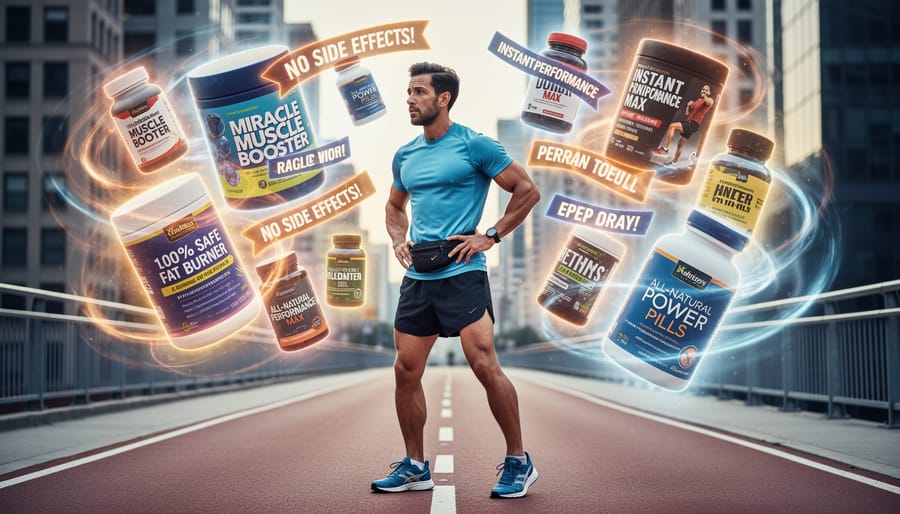
If you spend any time in running forums, follow fitness influencers, or scroll through social media after posting your latest race results, you’ve probably noticed the ads. They promise faster recovery, enhanced endurance, and body composition changes that seem almost magical. These aren’t traditional supplements, they’re peptides, marketed with clinical-sounding names and wrapped in the language of “biohacking” and “optimization.”
The marketing pitch targets exactly what runners care about most. Can’t seem to shed those last few pounds? There’s a peptide for that. Struggling with recovery between hard training sessions? Another peptide claims to fix it. Want to build lean muscle without sacrificing your aerobic base? Yet another compound promises both.
These products appear everywhere runners gather online. Sponsored posts from athletes with impressive physiques. Testimonials in private Facebook groups. YouTube videos with titles like “The Legal Performance Edge Your Competition Doesn’t Know About.” The sellers often position themselves as insider experts, sharing “advanced” strategies that mainstream fitness advice supposedly ignores.
What makes this marketing particularly effective is how it exploits genuine frustrations. Every runner hits plateaus. We all want faster recovery so we can train harder. When progress stalls despite consistent effort, these promises become tempting.
The language is carefully crafted too. Terms like “research peptides” and “laboratory grade” sound legitimate and scientific. Disclaimers mention “research purposes only,” which somehow makes the products seem both exclusive and cutting-edge rather than what they actually are: unregulated compounds never intended for human consumption.
This isn’t education, it’s manipulation designed to convert your training ambitions into sales.
The Real Risks You’re Taking
Quality Control Problems
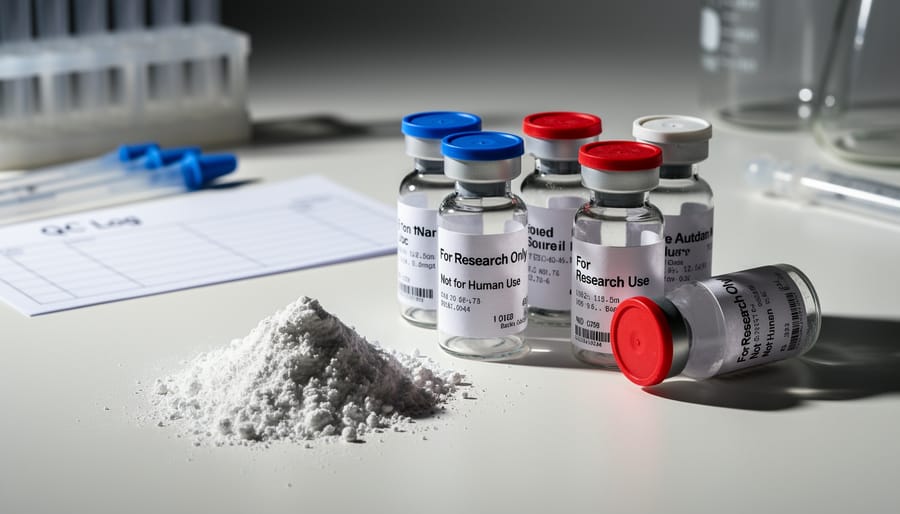
The peptide products flooding online wholesale markets operate in a regulatory void that creates serious safety hazards. When you buy research peptides, you’re trusting that vials labeled “99% pure” actually contain what they claim, but there’s no independent oversight to verify those numbers.
Studies have documented widespread purity and dosing issues with unregulated peptide suppliers, where products contained anywhere from 60% to 110% of their stated concentration. That variance isn’t just sloppy, it’s dangerous. Take a compound at 110% of expected strength repeatedly, and you’re essentially overdosing without knowing it. Get one at 60% purity, and you’re injecting unknown contaminants that make up that missing 40%.
Wholesale suppliers typically don’t perform the rigorous testing pharmaceutical manufacturers are required to complete. There’s no verification for bacterial contamination, heavy metals, or chemical residues from the synthesis process. Some runners have reported unexplained infections, allergic reactions, and side effects that likely stemmed from what was in the vial besides the peptide itself.
Third-party testing exists in legitimate supplement industries, but research peptide vendors rarely submit to it, probably because their products wouldn’t pass. Without certificates of analysis from independent labs, you’re taking the seller’s word on everything. That’s a gamble with your health that no PR or finish-line photo is worth.
Unknown Long-Term Effects
When you use a peptide labeled “for research purposes only,” you’re essentially volunteering yourself as an unmonitored human trial. These compounds haven’t undergone the years, sometimes decades, of controlled studies required to understand how they affect your body over time.
Research peptides skip the longitudinal studies that reveal whether a substance causes organ damage, hormonal disruptions, or cardiovascular problems after repeated use. Some peptides affect your endocrine system, potentially altering hormone production in ways that won’t show up for months or years. Others might impact bone density, putting you at greater risk for injuries like stress fractures down the road. The concern isn’t just what happens this season, it’s what condition your body will be in five, ten, or twenty years from now.
The peptides marketed for performance enhancement often mimic or stimulate growth factors and hormones. Your body’s regulatory systems are incredibly complex, and introducing external compounds can trigger cascading effects that researchers haven’t mapped out. Without proper human trials, there’s no data on whether these substances increase cancer risk, accelerate arthritis, or damage your kidneys over decades of exposure.
You’re gambling with your future health based on marketing claims and online forum anecdotes, not on scientific evidence. That’s not a risk worth taking for marginal performance gains you can achieve through proven, safe methods instead.
What Actually Works: Proven Performance Boosters for Runners

Nutrition Strategies That Deliver Results
Your body already has everything it needs to perform at its best, you just need to give it the right building blocks. Forget complicated protocols and mystery compounds. Real performance gains come from consistent, smart nutrition choices that work with your body’s natural systems.
Protein matters, but timing isn’t the narrow window marketers claim. Yes, consuming 20-30 grams of protein within two hours post-run supports muscle repair, but your overall daily intake (roughly 1.2-1.6 grams per kilogram of body weight for endurance athletes) matters more than obsessing over every minute. Spread it across your meals. Chicken, fish, eggs, Greek yogurt, and legumes do the job perfectly.
Carbohydrates fuel your running and replenish glycogen stores. During training, aim for complex carbs like oatmeal, sweet potatoes, and whole grains. Before long runs, simple carbs (a banana, toast with honey) provide quick energy without digestive distress. After hard efforts, pair carbs with protein, chocolate milk isn’t just convenient, it’s genuinely effective.
For evidence-based supplements, stick with the basics that have actual research behind them. Vitamin D supports bone health and immune function (especially important for runners logging high mileage in winter). Iron prevents fatigue in distance runners, particularly women. Electrolyte replacement during runs longer than 60-90 minutes prevents cramping and maintains performance.
Omega-3 fatty acids from fish oil reduce exercise-induced inflammation naturally. Creatine monohydrate (five grams daily) supports high-intensity training adaptations. These aren’t sexy or mysterious, they’re just proven tools that work.
Recovery Methods That Actually Help
Sleep remains your most powerful recovery tool. Your body repairs muscle damage, regulates hormones, and consolidates training adaptations during those seven to nine hours. One marathoner I know swears her breakthrough race came after she committed to consistent 10pm bedtimes for three months straight, not from any supplement.
Active recovery works because gentle movement increases blood flow without adding training stress. A 20-minute easy walk or light bike ride the day after hard intervals helps clear metabolic waste faster than complete rest. Adding mobility workouts twice weekly addresses the tight hips and ankles that slow many runners down.
Hydration affects everything from muscle function to cognitive performance. Drink water consistently throughout the day rather than chugging before runs. A simple check: your urine should be pale yellow, not dark or completely clear.
Foam rolling before bed reduces muscle tension and improves sleep quality. Focus on calves, quads, and IT bands for 60 seconds each. The discomfort fades quickly, and you’ll notice improved range of motion within days.
When to Seek Professional Guidance
If you’re struggling with performance plateaus, persistent injuries, or recovery issues, that’s the time to consult qualified professionals, not to turn to wholesale research peptides. Sports doctors, registered dietitians specializing in athletics, and certified running coaches can identify what’s actually holding you back, whether it’s nutritional gaps, training errors, or underlying health issues. These professionals use evidence-based assessments and proven interventions rather than experimental compounds.
A sports nutritionist can evaluate your diet and spot deficiencies that might be causing fatigue or poor recovery, often recommending simple adjustments that deliver real results. They’ll address common pre-run mistakes like inadequate fueling or hydration that impact your workouts. Meanwhile, a sports medicine doctor can rule out conditions like anemia, thyroid dysfunction, or overtraining syndrome, actual medical issues that no peptide will fix.
Certified coaches (look for USATF, RRCA, or similar credentials) design training programs tailored to your current fitness level and goals, preventing the overuse injuries that often drive runners toward desperate solutions. They’ve worked with hundreds of athletes and know what actually produces sustainable improvements. When you invest in these professionals instead of unregulated compounds, you’re building a foundation for long-term health and performance rather than gambling with unknown risks.
Your running journey deserves better than unregulated compounds with unknown risks. The truth is, there’s no substitute for consistent training, proper nutrition, and adequate recovery. These fundamentals might not promise overnight transformation, but they deliver something far more valuable: sustainable progress you can build on for years to come.
I’ve watched countless runners achieve goals they once thought impossible, not through shortcuts, but through showing up day after day and trusting the process. That personal best you’re chasing? It comes from incremental improvements in your training plan, not from injecting research-only chemicals into your body. The recovery you need happens when you prioritize sleep and fuel yourself properly, not when you gamble with substances that haven’t been tested for human use.
Wholesale research peptides promise quick fixes, but they deliver uncertainty, potential health consequences, and legal risks. You’ve already made the decision to improve your health by running. Don’t undermine that choice by introducing compounds that could damage the very body you’re working to strengthen.
Your dedication, your consistency, and your commitment to doing things the right way are what will carry you across finish lines and help you achieve lasting health improvements. Trust in proven methods, trust in your training, and most importantly, trust in yourself. The runner you’re becoming through honest effort is worth far more than any shortcut could ever deliver.