
Regular exercise, particularly running, builds the mental discipline and stress resilience that naturally extends to every area of life, including how you approach recreational activities like online gaming. When you maintain a consistent fitness routine, you develop better impulse control, sharper decision-making skills, and a healthier relationship with dopamine-driven rewards. If you enjoy the occasional thrill of online entertainment, you can play now with the same balanced mindset you bring to your training schedule.
The connection isn’t obvious at first. What does logging miles have to do with setting limits on screen time or entertainment budgets? Everything, as it turns out. Runners know that sustainable progress requires structure, self-awareness, and the ability to recognize when you’re overtraining or ignoring warning signs. These same skills protect you from turning any enjoyable activity into an unhealthy compulsion.
Sarah, a marathon runner from Portland, noticed this parallel when she started setting weekly time limits for her online recreation the same way she tracks her training volume. “I realized I was applying the same principles,” she says. “If I can stick to a training plan and resist the urge to run too much on tired legs, I can definitely set boundaries for how I spend my downtime.”
This article explores practical strategies for maintaining both your fitness goals and balanced recreational habits. You’ll discover how the runner’s toolkit of goal-setting, time management, and self-monitoring translates directly to responsible entertainment choices, helping you enjoy both without compromise.
The Mind-Body Connection: How Exercise Shapes Decision-Making

Running as a Natural Stress Release
When stress builds up, your brain searches for relief wherever it can find it. For some people, that relief comes from scrolling through social media for hours. For others, it might mean an extra glass of wine or gravitating toward any activity that offers a quick dopamine hit, including online gaming that stretches past a reasonable stopping point. Running offers something different: a natural reset that your body is designed to use.
During a run, your brain releases endorphins and endocannabinoids, the body’s own feel-good chemicals that create what many runners call the “runner’s high.” But the benefits run deeper than that temporary euphoria. Research shows increased prefrontal activity during exercise meaning the part of your brain responsible for decision-making and emotional regulation gets stronger with regular cardiovascular activity. This isn’t just about feeling good in the moment. It’s about building a more resilient nervous system that handles daily stressors without seeking escape through potentially problematic behaviors.
I’ve noticed this pattern in my own life. On weeks when I run consistently, small frustrations don’t send me looking for distraction. I sleep better. I make clearer decisions about how to spend my evening hours. The urge to zone out in front of a screen, whether streaming shows or playing online games, diminishes naturally because I’ve already given my brain the chemical reward it was seeking. Running doesn’t eliminate stress, but it processes it, burning through anxiety the way your body was meant to rather than letting it accumulate until you need an artificial outlet.
Building Discipline Through Training Routines
The structure of a training plan teaches transferable lessons about boundaries and commitment that apply far beyond running. When you schedule a Tuesday tempo run or a Saturday long route, you’re not just planning exercise, you’re practicing the art of making a promise to yourself and keeping it, regardless of momentary mood or competing temptations.
Runners quickly learn that consistency beats intensity. Missing one workout won’t derail progress, but skipping three becomes a pattern, and patterns define outcomes. This same logic applies to any recreational activity. Setting a firm time limit before you start an online gaming session, say, 30 minutes on weeknights, creates the same non-negotiable boundary as scheduling your morning run. You show up, engage fully within the agreed window, then move on.
Training routines also build comfort with delayed gratification. You don’t see fitness results after one run. Progress comes from repeated effort over weeks and months, which trains your brain to value long-term rewards over immediate pleasure. This mental shift makes it easier to step away from entertainment when the pre-set boundary arrives, even when you’re enjoying yourself.
The accountability structure of a training log reinforces this discipline. Many runners track mileage and workouts; applying the same approach to leisure time, noting when you play, for how long, creates awareness that prevents drift into excessive habits. What you measure, you manage.
Practical Strategies for Balancing Fitness and Recreation
Creating a Structured Daily Schedule

A well-structured day begins with intention, not reaction. Start by anchoring your morning to physical activity, a 30-minute run or workout before other obligations sets a tone of accomplishment that influences every decision that follows. This approach isn’t about rigid control but creating a framework where both fitness and leisure have their proper place.
Here’s how to build a schedule that honors both priorities:
- Track your current time use for three days without judgment. Note when you exercise, work, relax, and engage in entertainment. Identify patterns like late-night gaming sessions that interfere with morning workouts or scattered recreation time that could be consolidated.
- Block non-negotiable exercise time first. Schedule morning runs or mobility workouts when willpower is strongest, before daily demands accumulate. Treat this appointment with yourself as seriously as you would a work meeting.
- Set clear boundaries for recreational activities. Designate specific windows, perhaps 30-45 minutes after dinner, for online entertainment. Having defined start and end times prevents recreation from expanding into time needed for rest or preparation for tomorrow’s workout.
- Use visual cues and tools. Place running shoes by your bedside. Set phone reminders for recreation cutoff times. Create physical separation between your workout space and entertainment areas when possible.
- Review weekly and adjust. Each Sunday, assess whether you met your exercise commitments and stayed within entertainment boundaries. Honest evaluation helps you spot potential issues before they become habits.
The morning workout serves as your daily anchor point. When you avoid common pre-run mistakes and complete that run, you’ve already succeeded before most people check their phones. This early win creates momentum that makes responsible choices throughout the day feel natural rather than forced. Recreation then becomes genuine relaxation rather than a default time-filler, and you approach it with the same mindfulness you bring to training.
Recognizing When Recreation Becomes Unhealthy
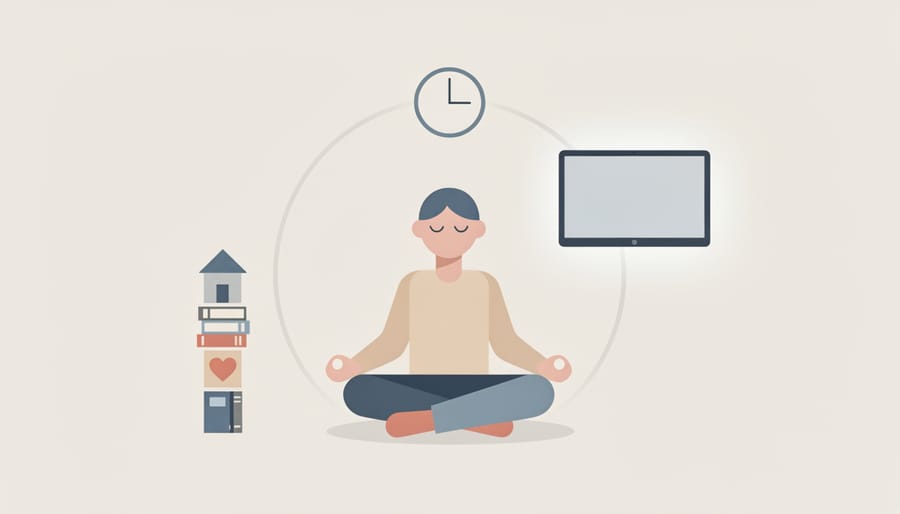
The shift from healthy recreation to something more concerning is often gradual. Most runners know the feeling of skipping a single workout and how easily one missed session can become a pattern. The same principle applies to any leisure activity, including online gaming.
Watch for changes in your established routines. If you’re consistently choosing gaming over your morning runs, especially after you’ve built that habit over weeks or months, something has shifted. Maybe you’re staying up late enough that your 6 a.m. run feels impossible, or you’re telling yourself you’ll exercise “later” but never do. These aren’t moral failures; they’re signals worth examining.
Sleep disruption is another clear indicator. When recreation consistently pushes your bedtime past the point where you can get adequate rest for training, your body will tell you through fatigue, decreased performance, and increased injury risk. Quality sleep supports everything from recovery to following proper nutrition tips and chronic sleep debt undermines your fitness goals faster than missing a few workouts.
Financial red flags deserve honest assessment. Are you spending money earmarked for race registrations, running gear, or gym memberships on entertainment instead? Recreation should fit within your discretionary budget without creating stress or forcing you to neglect other priorities.
Perhaps the most telling sign is using entertainment to avoid responsibilities or uncomfortable emotions. If you’re gaming to procrastinate on work deadlines, escape relationship problems, or numb difficult feelings, the activity has shifted from recreation to coping mechanism. Healthy leisure complements your life; it doesn’t help you hide from it.
One runner I know realized his evening gaming sessions had become problematic when he caught himself justifying skipped workouts with increasingly elaborate excuses while simultaneously downplaying how much time and money he was spending online.
The Role of Community and Accountability
When Sarah joined her local running club three years ago, she didn’t expect it would help her quit late-night gaming sessions. But having training partners who expected her at 6 AM transformed everything. She couldn’t show up exhausted after staying online past midnight, so the accountability naturally shifted her evening habits without anyone lecturing her about screen time.
Running communities create natural guardrails for all your behaviors. When you commit to group runs, you’re signing up for more than fitness, you’re establishing a structure that ripples through your entire week. That Tuesday evening track session means you’re less likely to lose track of time in other activities the night before. The Sunday long run with friends becomes an anchor point that organizes your whole weekend.
Accountability partners notice patterns before you do. James’s running buddy casually mentioned he seemed less energetic lately, which prompted him to realize he’d been sacrificing sleep for entertainment. That conversation, no judgment, just observation, sparked the awareness he needed to reset his priorities.
The shared goals extend beyond running too. Many groups organize social events, discuss nutrition, or share tips about everything from creating a weight training plan to managing work stress. These connections provide healthy outlets for socializing that don’t involve screens or spending money, filling time you might otherwise dedicate to solitary entertainment.
The beauty of fitness communities is the positive peer pressure. When everyone’s celebrating personal records and supporting each other’s progress, you naturally want to show up as your best self, not just at the track, but everywhere.
Common Questions About Fitness and Balanced Living
Maintaining an active lifestyle while enjoying recreational activities raises practical questions that many people face. Here are clear answers to the most common concerns about balancing fitness with responsible entertainment habits.
How much exercise do I need to improve self-control?
Research suggests that 30 minutes of moderate cardiovascular activity, like running or brisk walking, at least four days per week can significantly enhance executive function and impulse control. You’ll likely notice improvements in decision-making within three to four weeks of consistent exercise.
Can I enjoy online entertainment and still meet my fitness goals?
Absolutely. The key is treating both as scheduled parts of your day rather than competing priorities. If your workouts remain consistent and you’re sleeping well, moderate recreation fits into a balanced lifestyle without conflict.
What if I don’t have time for exercise and recreation?
Exercise should always come first because it provides energy and mental clarity for everything else. If time is limited, prioritize your workout and reduce recreational time. A 30-minute morning run takes less time than most people spend on entertainment but delivers far greater returns.
How do I know if I’m being responsible with my recreation time?
You’re on track if recreation never interferes with fitness commitments, sleep, work, or relationships. Set time limits before starting any entertainment activity, and stick to them without exception.
When should I seek help for balance issues?
If you find yourself consistently skipping workouts for recreation, lying about time spent on entertainment, feeling anxious when not gaming, or experiencing financial stress from any leisure activity, reach out to a counselor or trusted friend immediately. These patterns indicate it’s time for support.
The bottom line is that fitness should anchor your daily routine. When your running schedule is non-negotiable, everything else naturally falls into proper proportion. Recreation becomes genuinely relaxing when it happens after you’ve already accomplished something meaningful for your health.
Key Principles for a Balanced Approach
Maintaining both an active lifestyle and healthy recreation comes down to a few fundamental principles that work together to support your overall wellbeing. These aren’t complicated rules but practical guidelines that become second nature once you integrate them into your daily routine.
Physical health always comes first. When you start your day with movement, whether that’s a morning run, a quick workout, or even a brisk walk, you set the tone for better decisions throughout the day. This isn’t about perfection; it’s about consistency. Five days of 30-minute runs beats sporadic intense training sessions that leave you depleted and more likely to seek comfort in excessive leisure.
Set boundaries before you need them. Decide in advance how much time and money you’ll dedicate to recreational activities each week, then stick to those limits as firmly as you stick to your training schedule. Write them down. Share them with someone you trust. The best time to establish boundaries is when you’re clearheaded and feeling good, not when you’re tired or stressed.
Treat exercise as your first-line stress relief, not your backup plan. When work frustrates you or life feels overwhelming, lace up your shoes before reaching for any other distraction. Running gives you space to process emotions and often provides the mental reset you were seeking through entertainment. Most recreational activities numb stress temporarily; exercise actually resolves it.
Regularly assess whether your habits align with your values. Once a month, take fifteen minutes to honestly evaluate whether your fitness routine and recreation patterns still support the person you want to become. Ask yourself hard questions: Am I sleeping well? Do I feel energized? Are my current habits moving me toward my goals or away from them? Adjust course when needed, without judgment.
Building a life of balance starts with the small choices you make each day. When you lace up your running shoes for that morning jog, you’re not just strengthening your body. You’re reinforcing a mindset that values discipline, self-awareness, and intentional living. These same qualities naturally extend to how you approach every other area of your life, including how you unwind and enjoy recreational activities.
The connection between fitness and responsible habits isn’t complicated. Both require you to set boundaries, recognize your limits, and honor commitments to yourself. Your running routine proves you already possess these skills. Every time you choose the trail over the couch, you’re practicing the same self-regulation that helps you know when to log off, step away, and prioritize what truly matters.
Physical fitness provides more than a healthy body. It offers mental clarity, emotional stability, and the confidence that comes from keeping promises to yourself. These benefits ripple outward, touching your relationships, your work, and yes, even your leisure time.
Start where you are. Run today. Make one intentional choice about how you spend your downtime tonight. Tomorrow, do it again. These decisions might seem small in the moment, but they’re building something bigger. They’re creating the version of yourself who lives with purpose, balance, and genuine wellbeing. That transformation begins with a single step.