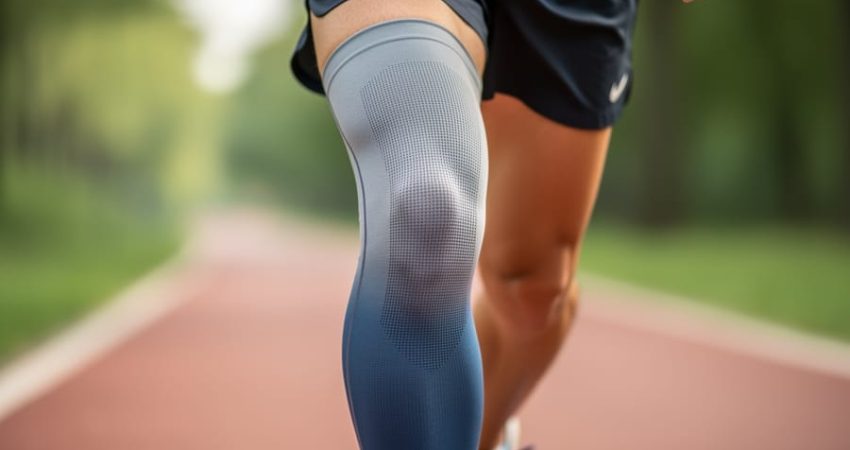
Compression sleeves can reduce runners knee pain by 30 to 40 percent when you choose the right type and fit. If you’re dealing with that sharp, persistent ache around your kneecap that flares up during runs, a well-designed compression sleeve delivers targeted pressure to stabilize the patella, improve blood flow, and reduce inflammation without the bulk of a traditional brace.
Quick note, a few of the links in this article earn us a small commission if you buy through them. As an Amazon Associate I earn from qualifying purchases.
I learned this the hard way three years ago when runners knee nearly ended my half-marathon training. After weeks of ice and rest, I was desperate for something that would let me run without aggravating the pain. My physical therapist recommended a compression sleeve with graduated pressure, and within two weeks I noticed the difference. The constant, gentle squeeze kept my kneecap tracking properly, and the warmth seemed to ease the inflammation that had been plaguing every stride.
The challenge is that not all compression sleeves work equally well for runners knee. You need specific features: graduated compression that’s strongest at the patella, moisture-wicking fabric that won’t slide during long runs, and a thickness that provides support without overheating. Generic sleeves often lack the targeted compression pattern that makes the real difference for this particular condition.
The best options for 2026 fall into three categories: reversible dual-density sleeves like the Element 26 Reversible Knee Sleeves that let you adjust compression intensity, eco-friendly bamboo options like the Bamboo Knee Compression Sleeve for temperature regulation, and performance-focused designs like the AEOLOS Knee Sleeves that stay in place during high-intensity training. Each addresses runners knee differently, and understanding which features matter most for your specific pain pattern will help you make the right choice and get back to pain-free running.
Understanding Runners Knee and How Compression Sleeves Help
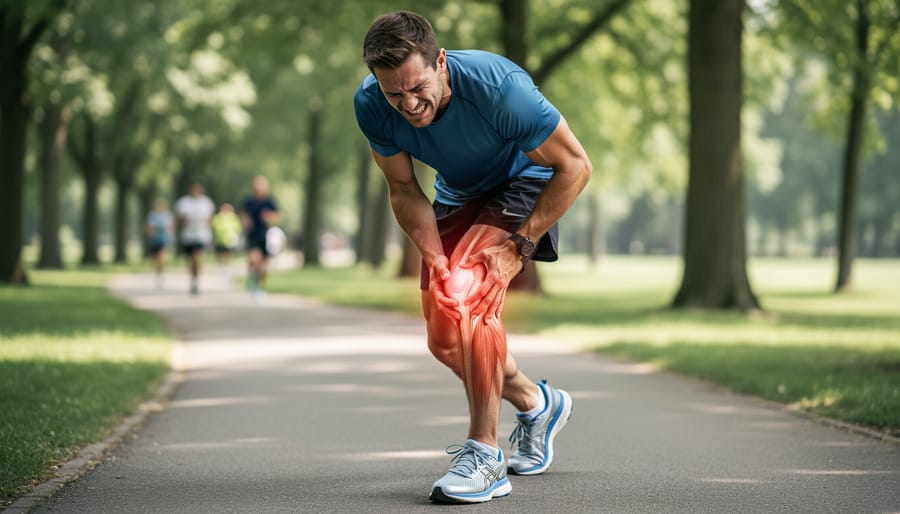
Runners knee, technically known as patellofemoral pain syndrome, describes that nagging ache around or behind your kneecap that worsens during runs, stairs, or squats. It happens when your kneecap doesn’t track smoothly in its groove, often triggered by muscle imbalances, sudden mileage increases, weak hips, or poor running form. You might notice it starting as mild discomfort that gradually builds, sometimes accompanied by a grinding sensation or swelling after runs.
Compression sleeves address runners knee through four distinct mechanisms. First, they provide gentle yet consistent pressure that stabilizes the patella, helping it track more efficiently in its femoral groove during the repetitive motion of running. This targeted support reduces the friction and stress that cause pain. Second, graduated compression enhances blood circulation to the joint, which speeds removal of inflammatory byproducts and delivers oxygen-rich blood that aids recovery between training sessions.
The third benefit comes from reduced swelling. By applying external pressure, the sleeve limits fluid accumulation around the joint that can worsen pain and stiffness. Finally, compression sleeves improve proprioception, your body’s awareness of joint position in space. This heightened feedback helps you maintain better running mechanics and catch form breakdowns before they aggravate your knee.
I learned this firsthand when sharp knee pain forced me to cut a half-marathon training cycle short. After two frustrating weeks of reduced mileage, I started wearing a 5mm neoprene sleeve during runs and for an hour afterward. The immediate difference in stability was noticeable, and within three weeks the pain had diminished enough that I could return to my training plan. The sleeve didn’t cure the underlying weakness in my hips and glutes, but it bought me the pain-free time needed to address those problems through targeted strength work. Just like addressing foot pain requires understanding the root cause, runners knee needs both symptom management and correction of biomechanical issues.
Research supports compression in PFPS management as an effective conservative treatment approach when combined with proper rehabilitation exercises.
Key Factors to Consider When Buying Compression Sleeves
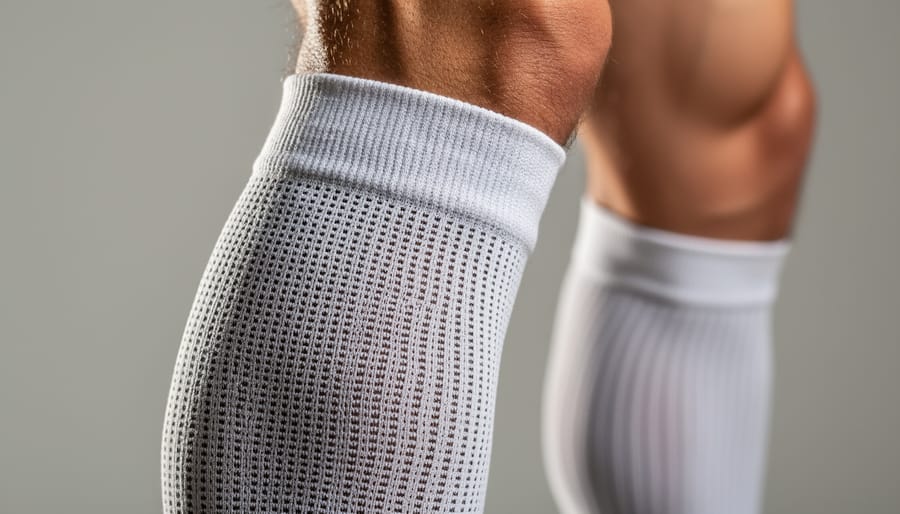
When you’re dealing with runners knee, not all compression sleeves deliver the same relief. The right sleeve needs to balance several technical factors that directly affect how well it manages your pain and supports your training.
Compression Level and Targeted Support
The amount of compression matters more than you might think. Look for sleeves that provide graduated compression around the kneecap, typically ranging from 20-30 mmHg for moderate support. This targeted pressure stabilizes your patella and reduces the lateral tracking that causes runners knee pain. Too little compression won’t provide meaningful relief, while excessive pressure can restrict blood flow and worsen discomfort during your run.
Material and Breathability
Your sleeve’s fabric determines whether you’ll actually wear it consistently. Neoprene offers excellent compression and warmth, which helps reduce inflammation, but it traps heat and moisture. If you run in warm weather or sweat heavily, consider bamboo fiber or moisture-wicking synthetic blends that let your skin breathe. The best material for you depends on your climate and how sensitive your skin is to prolonged compression.
Thickness: 3mm vs 6mm Neoprene
Thicker isn’t always better. Six-millimeter sleeves provide maximum stability and warmth, making them ideal if your runners knee flares up in cold weather or you need serious support during recovery runs. However, that bulk can feel restrictive during tempo work or races. Three-millimeter sleeves offer a middle ground with decent compression and less material bunching behind your knee. I’ve found the thicker option works best for easy runs and cross-training, while thinner sleeves suit faster workouts.
Fit and Sizing Accuracy
A poorly fitted sleeve won’t help your runners knee, period. The compression needs to be consistent around your entire knee, without gaps or pressure points. Most brands use thigh and knee circumference measurements, but their size charts vary wildly. Measure twice before ordering, and check customer reviews about whether the brand runs small or large. A proper fit feels snug when you first pull it on but doesn’t leave deep marks or cause numbness after 20 minutes of wear.
Stay-Put Design During Running
Nothing’s more frustrating than a sleeve that migrates down your leg mid-run. Look for silicone grip strips on the top and bottom edges, or textured inner linings that anchor to your skin. The fabric should have four-way stretch so it moves with your leg through your full running stride without rolling or bunching. Cheaper sleeves often lack this engineered grip, which means you’ll spend half your run yanking them back into position instead of focusing on your form.
Moisture-Wicking Properties
Sweat-soaked sleeves lose compression effectiveness and create friction that can irritate your skin. Quality compression sleeves incorporate moisture-wicking technology that pulls sweat away from your knee to the outer fabric layer where it evaporates. This keeps your skin drier and maintains consistent compression throughout your run. If you’re training for longer distances, this feature becomes essential for comfort.
Durability for Repeated Use
Compression sleeves lose their effectiveness as the elastic fibers break down from repeated stretching and washing. Look for reinforced stitching at stress points and materials that maintain compression after multiple wash cycles. A sleeve that costs twice as much but lasts three times longer represents better value than replacing cheap ones every few months. Check reviews specifically mentioning how the compression holds up over time, not just initial impressions.
Types of Compression Sleeves for Running
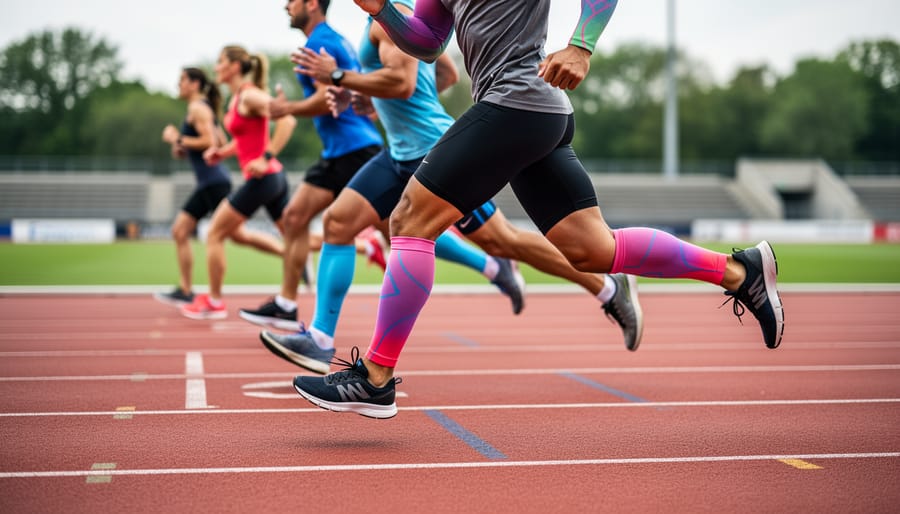
When you’re shopping for compression sleeves to manage runners knee, you’ll encounter several distinct types on the market. Each category offers different benefits, and understanding these differences helps you match the sleeve to your specific knee pain severity and running style.
Basic compression sleeves form the most common category. These everyday support sleeves typically use lightweight synthetic blends that provide moderate compression without adding bulk. They work well for runners with mild to moderate patellofemoral pain who want support during daily training runs. The thinner material allows for better range of motion and fits easily under running tights, making them practical for regular use. Most runners start here because these sleeves balance compression benefits with comfort during long runs.
Heavy-duty neoprene sleeves represent the maximum stability option. These thicker sleeves, often 5mm to 7mm neoprene, deliver firm compression and substantial warmth to the knee joint. While weightlifters and CrossFit athletes commonly use them for intense training, runners with severe knee pain sometimes need this level of support. The trade-off comes in added bulk and heat retention. During a recovery run last winter, I wore 6mm neoprene sleeves and appreciated the warmth, but they felt too restrictive for my usual tempo pace. These work best for runners dealing with significant inflammation or those doing strength training alongside running.
Bamboo and natural fiber sleeves prioritize breathability over maximum compression. The bamboo construction wicks moisture exceptionally well and feels softer against skin than synthetic materials. Runners training in warm climates or those with sensitive skin find these sleeves more comfortable for extended wear. The compression level tends to be lighter than neoprene options, so they suit mild runners knee rather than severe cases.
Copper-infused sleeves have gained attention for antimicrobial claims, with options available at various price points. The embedded copper ions supposedly reduce odor and bacteria buildup during sweaty runs. While the compression itself provides the primary knee support, the antimicrobial properties appeal to runners who wear their sleeves multiple days between washes. The actual therapeutic benefit of copper for runners knee remains debated, so focus on the sleeve’s compression quality first.
| Sleeve Type | Compression Level | Best Use Case | Ideal Runner Profile |
|---|---|---|---|
| Basic Compression | Moderate | Daily training runs | Mild to moderate knee pain, regular mileage |
| Heavy-Duty Neoprene | Firm | Recovery periods, strength training | Severe pain, significant inflammation |
| Bamboo/Natural Fiber | Light to Moderate | Warm weather training | Mild pain, sensitive skin, eco-conscious |
| Copper-Infused | Moderate | Extended wear between washes | High-mileage runners, odor concerns |
Your knee pain severity should guide your choice more than any other factor. Light, nagging discomfort responds well to basic or bamboo sleeves. Sharp pain that limits your stride length calls for neoprene stability. Consider your typical running conditions too, summer marathon training demands breathability, while winter recovery runs benefit from neoprene’s warmth retention.
Top Compression Sleeves for Runners Knee in 2026
Element 26 Reversible Knee Sleeves: Best for Maximum Support

The Element 26 Reversible Knee Sleeves stand out for runners dealing with moderate to severe runners knee who need serious stability without graduating to a full brace. The 6mm neoprene construction delivers firm, targeted compression that truly stabilizes the kneecap during each stride. That thickness makes a difference you’ll feel immediately, these sleeves keep your knee warm and supported in a way thinner options simply can’t match.
With a 4.6 out of 5 rating from 1,130 customers, these sleeves have earned their reputation through real-world testing by athletes pushing through knee pain. The reversible black and red design gives you style options, which sounds minor until you realize you’ll be wearing these regularly during training and recovery. You get a pair in each purchase, another practical advantage since many runners eventually need bilateral support or want a backup for laundry days.
The trade-off here is bulk. That 6mm neoprene providing maximum support also means more material under your running tights. You’ll notice the added thickness, especially on longer runs or in warm weather. Some runners find the extra layer feels restrictive during speed work. But if your knee pain is significant enough that you’re researching compression sleeves, that stability is likely worth the slightly bulkier feel.
One runner I know switched to these after months of fighting through patellofemoral pain that kept shortening her weekend long runs. She wears them during recovery between training sessions and found the warmth particularly helpful after ice application. The heat retention from the thick neoprene improves blood flow to the area, speeding healing between runs. She’s since worked back up to her target mileage while incorporating fat loss tips that reduce joint stress.
These sleeves work best for runners committed to addressing knee pain seriously and willing to accept a bit more bulk for meaningful support.
Bamboo Knee Compression Sleeve: Best for Breathability

The Bamboo Knee Compression Sleeve stands out for runners who need effective support without sacrificing comfort in warm conditions. This sleeve uses natural bamboo fiber construction rather than synthetic materials, making it the go-to choice when breathability matters most.
The bamboo fabric wicks moisture exceptionally well during long runs, pulling sweat away from your skin rather than trapping it against the knee. That matters when you’re logging miles in summer heat or training in humid climates where synthetic sleeves can become clammy and uncomfortable. The natural fibers also resist odor buildup better than polyester or spandex blends, which means the sleeve stays fresher between washes.
With a solid 4.4-star rating from 53 customers, runners consistently praise how the bamboo material handles extended wear. The eco-friendly aspect appeals to environmentally conscious athletes too, since bamboo grows rapidly and requires fewer resources than synthetic fiber production.
The sleeve delivers adequate compression for runners knee support while prioritizing airflow. You’ll get less intense compression than a 6mm neoprene option, but that trade-off works well for mild to moderate knee pain where you need consistent support rather than maximum stabilization. The lighter compression also makes it easier to wear throughout the day, not just during runs.
Runners with sensitive skin find bamboo particularly helpful. One ultramarathon runner I know switched to bamboo sleeves after developing contact dermatitis from synthetic materials during her summer training block. She found she could wear them for back-to-back long runs without the itching and irritation that plagued her with traditional compression gear.
If you train primarily in air-conditioned gyms or cool weather, the breathability advantage matters less. But for year-round outdoor runners in warmer regions, this sleeve solves the common problem of choosing between knee support and overheating.
AEOLOS Knee Sleeves: Best Value Option

The AEOLOS Knee Sleeves earn their spot as the best value option with a proven track record that speaks for itself. With a 4.4-star rating from 768 customer reviews, these sleeves have demonstrated consistent performance for runners dealing with mild to moderate runners knee. That’s hundreds of real users who’ve tested them through actual training sessions, not just worn them once.
What makes these sleeves stand out is their balanced approach to compression and comfort. They provide enough targeted support around the kneecap to help stabilize the joint during runs without the bulk of heavier neoprene options. For everyday training runs and recovery periods, they deliver the compression you need to manage runners knee pain without feeling restrictive or overheating your leg.
The value positioning makes AEOLOS sleeves particularly attractive for two groups of runners. If you’re experiencing early-stage runners knee and want to address it before it worsens, these offer an affordable entry point without compromising quality. You’re not gambling on a cheap product that might fall apart after three runs. Equally, if you’ve never tried compression sleeves before and aren’t sure whether they’ll work for your specific knee pain, the AEOLOS option lets you test the benefits without a major financial commitment.
Beyond running, these sleeves work well for cross-training activities. I’ve worn mine for cycling, hiking, and even yard work when my knee acts up. That versatility extends your investment beyond just your running miles.
The popularity speaks volumes. Limited stock availability suggests these sleeves move quickly, which aligns with the strong customer ratings. When you find a product that balances performance, comfort, and affordability, runners tend to buy it repeatedly and recommend it to training partners.
How to Find the Right Fit and Size
Getting the right fit is non-negotiable when it comes to compression sleeves for runners knee. A sleeve that’s too loose won’t deliver the compression your knee needs, while one that’s too tight can restrict blood flow and actually make pain worse.
Start by measuring at the right time. Take your measurements first thing in the morning or at least four hours after running. Your knee swells during and immediately after activity, so measuring then will give you artificially large numbers that lead to buying sleeves that are too big once the swelling subsides.
You’ll need two measurements. First, measure around the center of your kneecap with your leg straight and relaxed. Wrap the measuring tape snugly but not tight enough to compress the skin. Second, measure your thigh circumference about four inches above the center of your kneecap. Write both numbers down before comparing them to the manufacturer’s size chart.
Here’s where many runners go wrong: size charts vary significantly between brands. A medium in one brand might be a large in another. Always use the specific chart for the sleeve you’re buying rather than assuming your usual clothing size translates. If you fall between two sizes, consider your primary goal. If you’re dealing with moderate to severe pain and need maximum support, size down for firmer compression. If you’re using the sleeve for mild discomfort or prevention, size up for comfort during longer runs.
Proper fit should feel snug and supportive without pinching or creating visible indentations in your skin. You should be able to slide two fingers under the top and bottom edges, but no more. The sleeve shouldn’t slide down your leg during a test jog in place, and you shouldn’t feel numbness or tingling after wearing it for ten minutes.
New sleeves need a brief break-in period. Wear yours for 30 minutes the first day, gradually increasing duration over three to four days until you’re comfortable running in them for your full workout.
Common Mistakes to Avoid When Choosing Compression Sleeves
I’ve watched countless runners make the same mistakes when shopping for compression sleeves, often learning the hard way that a poor choice can actually worsen their knee pain. These missteps aren’t just frustrating, they delay recovery and waste money. Here are the critical errors to avoid.
The biggest mistake is choosing based on price alone. That $10 basic sleeve might seem like a bargain, but if it doesn’t provide adequate compression for your level of knee pain, you’ve wasted ten dollars. I learned this myself when I grabbed a cheap pair for my first bout of runners knee. They were so flimsy they rolled down my leg within the first mile. Instead, match the compression level and quality to your actual needs. If you have moderate to severe pain, invest in a proper 5mm or 6mm neoprene sleeve that can deliver real support.
Sizing errors rank a close second, and the most common version is sizing up because you think it’ll be more comfortable. A loose compression sleeve provides almost no compression at all, defeating the entire purpose. The sleeve should feel snug when you first put it on, not cutting off circulation but definitely present. If you can easily slide two fingers under the fabric, it’s too big. Take accurate measurements around your kneecap and thigh before ordering, and if you’re between sizes, go with the smaller option rather than larger.
- Expecting instant pain relief instead of gradual improvement over days or weeks of consistent use
- Wearing sleeves only during runs when recovery periods also benefit from compression support
- Continuing to run through severe pain rather than combining sleeves with proper rest and strength work
- Buying a single sleeve when both knees need support, creating muscular imbalances
- Neglecting regular washing, which degrades elastic fibers and reduces compression effectiveness
That last point about washing deserves emphasis because dirty sleeves lose their compression properties faster than clean ones. Sweat and bacteria break down the elastic fibers. Hand wash or use a gentle cycle after every few runs, then air dry away from direct heat. Your sleeves will maintain their supportive tension far longer.
The most dangerous mistake is treating compression sleeves as permission to ignore pain signals. A sleeve reduces discomfort and provides stability, but it’s not a cure. If you’re experiencing sharp, worsening pain during runs even with a quality sleeve, you need rest and possibly medical evaluation. The sleeve is one tool in your recovery toolkit, not a magic fix that lets you train through injury.
Caring for Your Compression Sleeves to Maximize Longevity
Washing your compression sleeves correctly after each run prevents odor buildup and preserves the elastic fibers that provide therapeutic compression. Hand washing in cool water with mild detergent is ideal, but if you’re short on time, turn the sleeves inside out and use a gentle machine cycle in a mesh laundry bag. Avoid fabric softener completely, as it coats the fibers and reduces their compression effectiveness over time.
Never put compression sleeves in the dryer. High heat breaks down the elastic properties that keep your knee supported, shortening their lifespan dramatically. Instead, press out excess water with a towel and lay them flat to air dry away from direct sunlight or radiators. I learned this lesson the hard way when my first pair lost half their compression after just two dryer cycles.
Store your sleeves flat or loosely rolled rather than folded with sharp creases, which can damage the fabric structure. Keep them in a cool, dry place where they won’t get stretched or compressed by other gear.
Replace your compression sleeves every six to eight months with regular use, or sooner if you notice visible signs of wear. Thinning fabric, loose threading around seams, or reduced snugness when worn all signal that the compression is degrading. If you need to tug the sleeve up repeatedly during runs or notice the fabric feels baggy, it’s time for a new pair. Worn-out sleeves won’t stabilize your kneecap effectively, which defeats the purpose of wearing them for runners knee relief.
Main Options Compared
When choosing compression sleeves for runners knee, you’re essentially deciding between three main categories, each with distinct trade-offs. Heavy-duty neoprene sleeves (typically 5-7mm thick) deliver maximum compression and stability, making them ideal for moderate to severe runners knee. They provide exceptional support and warmth that can reduce pain during runs, but the thickness means less breathability and potential overheating on warm days. These work best for cooler weather training or runners who prioritize support over comfort.
Lightweight synthetic sleeves offer a middle ground. Usually made from nylon-spandex blends, they provide moderate compression with better breathability than neoprene. They’re versatile enough for daily training runs and won’t feel bulky under running tights. However, they deliver less targeted support than heavier options, so runners with severe pain might find them insufficient.
Natural fiber sleeves (bamboo, merino wool blends) prioritize moisture management and skin comfort over maximum compression. They excel in hot weather and for runners with sensitive skin or those prone to irritation from synthetic materials. The trade-off is lighter compression that may not stabilize the kneecap as effectively during intense runs. Consider your pain severity, typical running conditions, and whether you’ll use the sleeve primarily during activity or for all-day recovery support.
Recommendations by Use Case
When selecting the best compression sleeve for your runners knee, match your choice to your specific situation rather than defaulting to the most expensive option.
For severe or chronic runners knee pain: Choose Element 26 Reversible Knee Sleeves. The 6mm neoprene provides maximum stabilization your unstable kneecap needs, and the warmth reduces inflammation during recovery periods. These work best when you’re dealing with persistent pain that flares up during and after runs.
For warm-weather training or sensitive skin: Go with Bamboo Knee Compression Sleeves. If you run in hot climates or have experienced rashes from synthetic materials, the natural bamboo fiber keeps you cool while delivering adequate compression for mild to moderate runners knee. Summer marathon training becomes more comfortable when your sleeves breathe properly.
For budget-conscious runners or first-time compression users: Start with AEOLOS Knee Sleeves. These deliver solid support without the premium price tag, making them perfect if you’re unsure whether compression sleeves will work for your knee pain. They’re versatile enough for cross-training activities too.
For bilateral knee pain: Buy pairs rather than single sleeves. Both Element 26 and AEOLOS come as pairs, saving you money when both knees need support during training cycles.
Frequently Asked Questions
Most runners have practical questions about incorporating compression sleeves into their routine. Here are answers to the concerns I hear most often.
How long should I wear compression sleeves each day?
You can wear compression sleeves during all running sessions and for 1-2 hours afterward to aid recovery, but avoid wearing them 24/7 as your knee needs time without compression. Many runners also wear them during knee-friendly training sessions and cross-training activities.
Can I wear compression sleeves under running tights?
Yes, compression sleeves fit comfortably under running tights and leggings without bunching, making them ideal for cold-weather runs when you want both compression support and warmth.
Will compression sleeves cure my runners knee?
Compression sleeves manage symptoms and provide support but don’t cure the underlying cause of runners knee. You’ll need to address muscle imbalances, running form issues, and training load alongside wearing sleeves for lasting improvement.
How are knee sleeves different from knee braces?
Knee sleeves provide uniform compression and warmth around the entire knee, while braces typically have rigid supports or straps targeting specific structures. Sleeves work well for runners knee, whereas braces suit ligament injuries or severe instability.
Two more common questions deserve attention. Should you wear one or two sleeves? If both knees bother you, wear a pair for balanced support and gait symmetry. Even if only one knee hurts, some runners prefer wearing both to avoid favoring one leg, though a single sleeve works fine for isolated pain.
Beginners absolutely can use compression sleeves. You don’t need to be an experienced runner to benefit from knee support, and sleeves can actually help newer runners who are still developing proper form and leg strength. Start with moderate compression rather than the heaviest-duty options.
Replace your compression sleeves every six to twelve months depending on use frequency. When the material loses its stretch, becomes baggy around your knee, or no longer feels snug when you first pull it on, the compression has degraded and you won’t get proper support anymore.
Choosing the right compression sleeve for runners knee comes down to three core factors: the compression level that matches your pain severity, a precise fit based on careful measurements, and breathability suited to your training conditions. Don’t rush the sizing process or compromise on quality to save a few dollars. Your knees deserve gear that actually works.
Remember that compression sleeves are one piece of your recovery toolkit, not a magic fix. Pair them with beginner exercise tips that include proper strength training, adequate rest days, and gradual progression in your mileage. Address the underlying causes of your runners knee while the sleeve provides support during the healing process.
The right compression sleeve can make the difference between cutting runs short due to pain and logging the miles you love. Take what you’ve learned here, measure accurately, choose thoughtfully based on your specific needs, and get back to the runs that make you feel alive. Your comeback story starts with smart decisions today.