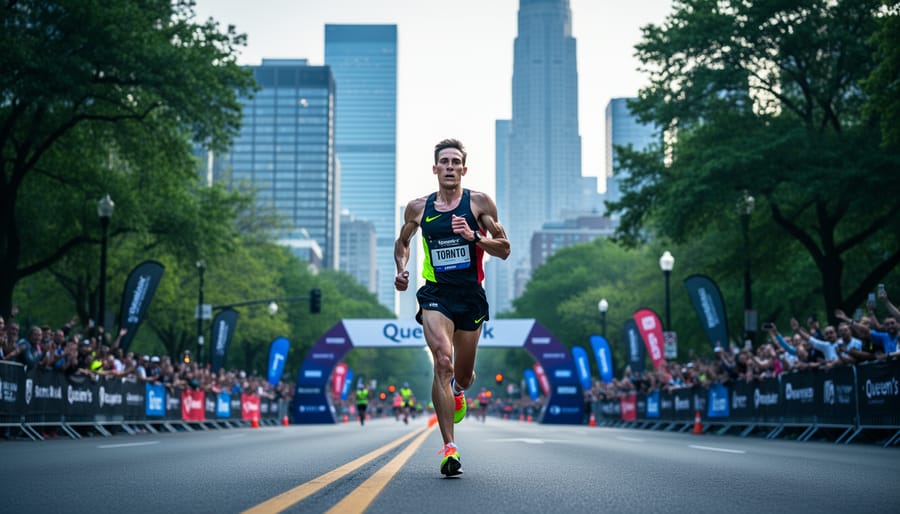
Starting an exercise routine is simpler than you think: begin with 10 to 15 minutes of movement you enjoy, three times a week, and build from there. The biggest mistake beginners make isn’t choosing the wrong workout or lacking fancy equipment. It’s trying to do too much, too soon, which leads to burnout, injury, or giving up entirely within the first month.
I learned this the hard way when I decided to “get fit” years ago by running five miles on day one. I made it about half a mile before my lungs felt like they were on fire, and I spent the next week so sore I could barely walk down stairs. That experience taught me what thousands of successful fitness journeys confirm: sustainable progress comes from starting small, staying consistent, and listening to your body.
Your body doesn’t need shock therapy to transform. It needs regular, progressive challenges that respect where you are right now. Whether you’re stepping into your first pair of running shoes, returning after years away, or simply want to feel stronger in daily life, the principles that work are surprisingly straightforward. You don’t need a complex training plan, expensive gym membership, or perfect form from day one.
What you do need is a clear roadmap that removes the guesswork and builds your confidence alongside your fitness. The eight tips that follow will help you create habits that stick, avoid common pitfalls that sideline beginners, and actually enjoy the process of getting stronger. This isn’t about perfection. It’s about showing up, moving your body, and discovering what you’re capable of when you give yourself permission to start exactly where you are.
How We Selected These Beginner Tips
We built this list around three core criteria: what keeps beginners safe, what builds lasting habits, and what addresses the mistakes nearly everyone makes when starting out.
Each tip here reduces injury risk by respecting how the body adapts to new physical demands. Beginners face a higher injury rate than experienced exercisers, not because they’re fragile, but because they haven’t yet developed the connective tissue strength, movement patterns, and body awareness that come with time. We focused on strategies that protect joints, muscles, and tendons while they’re catching up to your enthusiasm.
These recommendations also prioritize sustainability over quick results. Flash-in-the-pan motivation fades. We selected principles that help you show up consistently, week after week, because that’s what transforms fitness from a project into a lifestyle.
The guidance draws from established coaching methods, exercise physiology research on adaptation and progressive overload, and real stories from runners who started from the couch and stuck with it. We’re not inventing shortcuts or promising breakthroughs. These are the fundamentals that work, whether you’re lacing up running shoes or trying any new fitness activity. They’re practical, tested, and designed for real people with busy lives and zero interest in getting hurt.
1. Start with a Walk-Run Method

Alternating between walking and running might sound too easy to be effective, but this approach is exactly how most successful runners got started. When you mix jogging intervals with walking breaks, you give your cardiovascular system, muscles, tendons, and joints time to adapt to the new demands without triggering injury or burnout. Your heart learns to pump more efficiently, your leg muscles build strength gradually, and your connective tissues toughen up at a sustainable pace.
Walking isn’t the consolation prize for people who can’t run. It’s a deliberate training strategy that prevents the classic beginner mistake of doing too much, too fast. Sarah, a teacher from Portland, tried running several times in her thirties and always quit within two weeks because of shin pain and exhaustion. When she finally committed to a structured walk-run program at 42, she started with just 30-second jogging bursts followed by two-minute walking recoveries. Within eight weeks, she completed her first continuous 30-minute run and hasn’t stopped since. The difference was patience and progression, not willpower.
As you grow stronger over the following weeks, gradually shift the ratio. You might move to 2 minutes running with 1 minute walking, then 3 minutes running with 1 minute walking. The walking segments aren’t failure, they’re recovery intervals that let you exercise longer overall than if you tried to run continuously from day one. This method builds your aerobic base, teaches your body to clear lactate efficiently, and creates positive associations with exercise instead of dread. You’ll know you’re ready to reduce walking time when the running intervals start feeling genuinely comfortable, not just survivable.
2. Invest in Proper Running Shoes

Your shoes are your most important piece of running equipment, and wearing the wrong ones can derail your fitness journey before it really begins. Proper running shoes reduce impact forces, support your natural gait, and significantly lower your risk of common beginner injuries like shin splints, plantar fasciitis, and knee pain.
Sarah learned this the hard way. She started her running program in the same canvas sneakers she wore for errands, and within two weeks, sharp pain shot up her shins every time her feet hit the pavement. After visiting a specialty running store and switching to shoes designed for running, her shin splints disappeared within days.
When shopping for running shoes, prioritize fit over brand hype. Your shoes should feel comfortable immediately, with about a thumb’s width of space between your longest toe and the shoe’s end. Look for adequate cushioning in the midsole to absorb impact, and consider your foot type: high arches need more cushioning, while flat feet often benefit from stability features that prevent overpronation.
If possible, visit a specialty running store where staff can analyze your gait and recommend appropriate options. Many stores offer treadmill analysis to observe how your foot strikes and rolls. This personalized guidance helps you find shoes that work with your biomechanics, not against them.
Replace your running shoes every 300 to 500 miles or when the cushioning feels compressed. Worn-out shoes lose their protective qualities, even if they look fine externally. As you progress and perhaps aim to lose fat as a runner proper footwear remains essential to supporting your increasingly active lifestyle.
3. Follow the 10% Rule for Increasing Distance or Intensity

The 10% rule is one of the simplest yet most powerful guidelines for beginners: don’t increase your weekly mileage, workout duration, or intensity by more than 10% from one week to the next. If you ran 10 miles total this week, aim for no more than 11 miles next week. If you exercised for 60 minutes across your workouts, bump it to 66 minutes maximum the following week. This measured approach gives your body the time it desperately needs to adapt.
When you start exercising, you’re not just training your heart and lungs. Your tendons, ligaments, bones, and connective tissues are also adapting to new stresses, and they rebuild more slowly than your cardiovascular system improves. Rush the process, and you risk overuse injuries like shin splints, tendonitis, or stress fractures that can sideline you for weeks or months. The 10% rule builds in a safety buffer that lets all these systems catch up with your ambition.
Here’s how it works in practice. Let’s say you’re currently running three times per week for 20 minutes each session, totaling 60 minutes. Next week, you could add 6 minutes (10% of 60), distributed however feels comfortable: perhaps one extra minute on each run, or an additional 6 minutes on your longest session. The same principle applies to a weight training plan or any fitness routine. Don’t jump from two sets to four, or from 15-pound dumbbells to 25-pound overnight.
Some weeks you won’t increase at all, and that’s perfectly fine. Life happens, you feel fatigued, or you simply want to consolidate your current level before progressing. The 10% rule is a ceiling, not a requirement.
4. Schedule Rest and Recovery Days

Here’s the hard truth that surprised me when I started running: your body doesn’t get stronger during your workout. It gets stronger during rest.
When you exercise, you’re actually creating tiny tears in your muscle fibers and stressing your cardiovascular system. The magic happens afterward, when your body repairs that damage and builds back stronger. Skip the recovery, and you’re just breaking yourself down without giving your body the chance to adapt.
Most beginners fall into the trap of thinking more is always better. You feel motivated, energized by your new routine, so you run seven days straight. Then suddenly you’re exhausted, irritable, and your knees hurt. I learned this lesson the hard way during my first month of running, pushing through fatigue until my body forced me to take a week off completely.
Plan at least one full rest day per week where you do absolutely nothing strenuous. On other recovery days, try active recovery like easy walking, gentle stretching, or beginner yoga. These activities increase blood flow to help muscles repair without adding training stress.
The mental shift is tough. Rest can feel like quitting, especially when you’re building momentum. But here’s the reframe: rest days are training days. You’re training your body to adapt and grow stronger. Elite athletes build entire recovery protocols into their schedules because they understand that rest isn’t the opposite of progress, it’s part of the process.
Give yourself permission to recover. Your future performance depends on it.
5. Focus on Form Over Speed

When you’re just starting out, it’s tempting to focus on how fast you can go. But speed without proper form is a shortcut to injury, not progress. Your body is learning new movement patterns, and developing good habits now will pay dividends for years to come.
Good running form doesn’t need to feel complicated. Start with these fundamentals:
- Head up and looking forward, not down at your feet
- Shoulders relaxed and back, away from your ears
- Arms bent at roughly 90 degrees, swinging naturally from the shoulders
- Core engaged to maintain an upright posture
- Feet landing beneath your hips, not out in front of you
- Breathing steady and rhythmic, matching your stride
The most crucial element for beginners is avoiding heel-striking. When your foot lands well ahead of your body with a straight leg, it creates a braking effect and sends impact straight through your knee. Instead, aim for a mid-foot landing with your foot striking beneath your center of mass. This distributes force more evenly and engages your muscles as natural shock absorbers.
Sarah, a 42-year-old who started running last year, spent her first month dealing with persistent knee pain. She was determined, so she kept pushing through until a friend videoed her running. Watching herself reach forward with each stride, landing hard on her heels, made everything click. She slowed down, shortened her stride, and focused on landing under her hips. Within two weeks, the knee pain disappeared entirely.
Think of form as the foundation. Without it, adding speed or distance becomes risky. Incorporating mobility for runners into your routine also helps your body move through proper ranges of motion more naturally. Run at a comfortable pace where you can maintain good posture and controlled breathing. Your speed will improve naturally as your fitness builds on this solid base.
6. Warm Up and Cool Down Every Session

Skipping your warm-up or cool-down might save you ten minutes, but it’s one of the costliest shortcuts you can take as a beginner. Warming up prepares your body for the work ahead by gradually raising your heart rate, increasing blood flow to muscles, and lubricating joints. This physiological preparation reduces injury risk and actually makes your workout feel easier. Cooling down serves the opposite purpose: it prevents blood from pooling in your legs, kickstarts the recovery process, and reduces next-day soreness.
A simple warm-up takes just five minutes. Start with two minutes of walking or very slow jogging, then do dynamic movements like leg swings (front to back, side to side), arm circles, and gentle lunges. These movements wake up the muscles and joints you’ll use during your run or workout. You’re ready when you feel warm and your heart rate has lifted slightly.
Your cool-down should mirror this structure. After your workout, walk for three to five minutes rather than stopping abruptly. Follow with gentle static stretches for your calves, quads, hamstrings, and hip flexors, holding each for 20-30 seconds. This is also an ideal time to build strength with bodyweight exercises like planks or squats if you have energy remaining.
These bookends transform your workout from an isolated event into part of a sustainable training cycle. Beginners who consistently warm up and cool down report fewer injuries and faster progress than those who skip these steps.
7. Set Small, Achievable Goals

Setting a goal to “run a marathon someday” sounds inspiring, but it won’t get you out the door tomorrow morning. What will? A goal like “run for 15 minutes straight by the end of next week” or “complete three workouts this week without skipping.”
Specific, measurable goals give you something concrete to chase. Instead of vague aspirations, you need targets you can actually hit: run around the block without stopping, exercise Monday-Wednesday-Friday for a month, finish a 5K event by spring. These aren’t lesser goals, they’re the building blocks that eventually lead to bigger achievements.
Here’s the thing: small wins create momentum. Sarah, a graphic designer who hadn’t exercised in years, started with a goal of walking 10 minutes daily. After a week of success, she felt confident enough to add short running intervals. Three months later, she completed her first 5K. She didn’t fixate on that finish line from day one. She celebrated each weekly milestone, her first full lap jogging, her first 20-minute session, her first run in the rain, and those celebrations fueled her commitment.
Write your goals down. Seriously. Put them somewhere visible. Track your progress in a simple notebook or phone app. There’s psychological power in checking off completed workouts and watching your capabilities expand week by week.
Smart goal-setting also helps you stay injury-free because realistic targets prevent the “too much, too soon” trap. You won’t feel pressured to do more than your body’s ready for when your only goal for this week is showing up three times. Success breeds consistency, and consistency is what transforms beginners into runners.
8. Listen to Your Body and Distinguish Discomfort from Pain
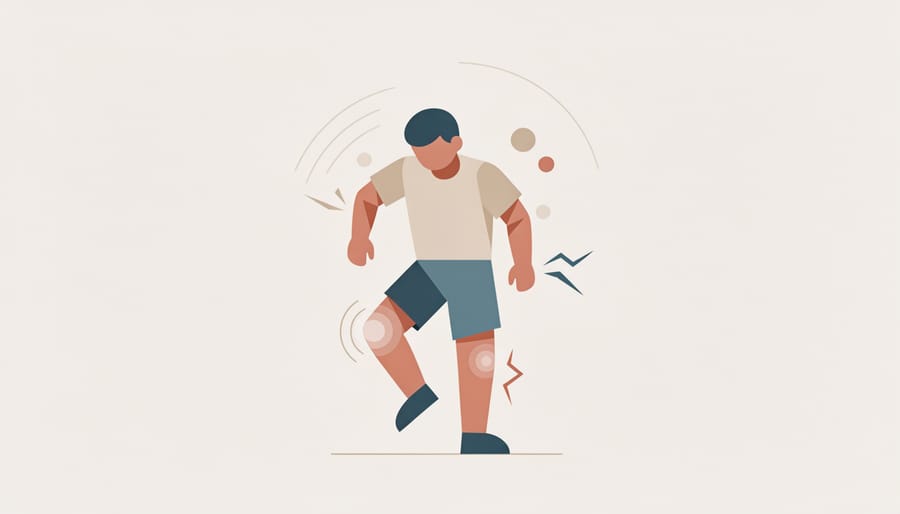
One of the most valuable skills you’ll develop as a new runner is learning to read your body’s signals. There’s a big difference between the healthy discomfort of challenging yourself and the warning signs that something’s wrong.
Normal exercise discomfort feels challenging but sustainable. Your breathing becomes heavy, your muscles burn a bit, your heart rate climbs, and you might feel tired. These sensations are your body adapting to new demands, and they’re part of getting stronger. After a workout, you might experience general muscle soreness that peaks a day or two later and gradually fades. This delayed onset muscle soreness is normal and shows your muscles are rebuilding.
Pain that signals trouble feels different. Sharp, stabbing sensations in joints or specific spots are red flags. So is pain that gets worse as you continue exercising, rather than settling into a rhythm. If something hurts in a way that makes you limp, favor one side, or change your gait, stop. Joint pain, especially in knees, ankles, or hips, deserves immediate attention. Pain that persists for days without improvement or keeps you awake at night requires evaluation from a healthcare professional.
I learned this distinction the hard way during my second month of running. I pushed through a sharp pain in my shin, thinking I just needed to toughen up. Three weeks later, I was sidelined with a stress fracture that could’ve been avoided if I’d stopped at the first warning.
Trust yourself. If something feels wrong, it probably is. It’s always smarter to take an extra rest day than to turn a minor issue into a major injury that costs you weeks or months of training. Your intuition will sharpen with every run.
Your Next Steps on the Running and Fitness Journey
Sustainable fitness isn’t built through intense bursts of motivation that fizzle out after two weeks. It’s the product of consistency, patience, and the smart training principles we’ve covered here. You don’t need to overhaul your entire life overnight or master all eight tips by tomorrow morning.
Instead, choose two or three strategies from this list that resonate most with your current situation and commit to them for the next month. Maybe that’s the walk-run method paired with proper warm-ups, or focusing on rest days while gradually building distance using the 10% rule. Small, deliberate changes create momentum that carries you forward.
Remember, every runner you see effortlessly logging miles was once exactly where you are now, lacing up shoes with nervous excitement and wondering if they could actually do this. The difference between them and someone who never started is simple: they took that first step, then another, then kept showing up even when it felt hard.
How often should I exercise as a beginner?
Aim for three to four sessions per week with rest days in between. This frequency allows your body to adapt while preventing overuse injuries that sideline many enthusiastic beginners.
Is it normal to feel sore after workouts?
Yes, mild muscle soreness 24-48 hours after exercise is completely normal and indicates your body is adapting. Sharp pain during activity or joint pain, however, signals something’s wrong and you should stop.
How long before I see results?
You’ll notice initial fitness improvements like easier breathing and better endurance within two to four weeks. More significant changes in strength, body composition, and performance typically appear around eight to twelve weeks of consistent training.
Your fitness journey starts right now, not on Monday or next month or when conditions are perfect. It starts with one workout, one walk-run interval, one proper warm-up. The path from beginner to confident, capable athlete is shorter than you think, and it’s absolutely within your reach.