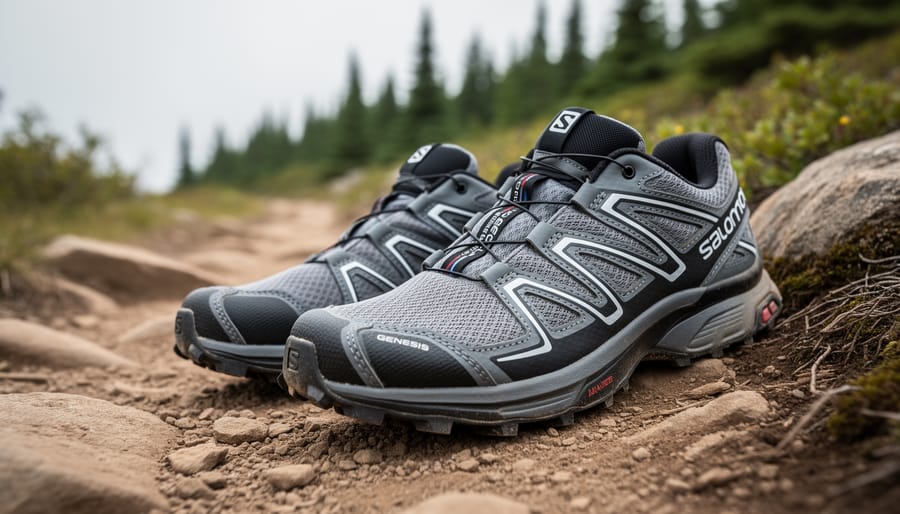
Cross country running shoes are purpose-built for racing and training across grass, dirt, mud, and uneven terrain, featuring aggressive traction, lightweight construction, and protective elements that road shoes simply can’t match. If you’re preparing for cross country season or looking to upgrade your spikes, the right pair makes the difference between confident footing on slick grass and sliding through turns, between finishing strong and limping off with bruised feet.
What sets these shoes apart isn’t just the spikes. Cross country shoes combine minimal cushioning for ground feel and responsiveness with plate protection that shields your feet from rocks and roots hidden beneath the course. The spike configuration varies based on conditions: more forefoot spikes for dry, firm ground where you need explosive push-off, or distributed spikes for muddy courses where traction everywhere counts.
Choosing your pair means matching shoe design to your typical race conditions, your running form, and your experience level. A high school runner tackling their first 5K on groomed park courses needs different features than a collegiate athlete grinding through championship mudfests. The wrong choice leaves you either overprotected and sluggish or underprotected and hurting.
I’ve watched countless runners show up to championship races in road trainers, convinced their regular shoes would work fine. They learn the hard way when competitors in proper spikes pull away on hills or hold steady through technical sections while they slip and compensate with extra effort.
This guide walks you through the key factors that determine which cross country shoe fits your needs, compares the main types available for 2026, and helps you avoid the mistakes that cost races and invite injury.
What Makes Cross Country Running Shoes Different
Cross country running shoes look deceptively similar to other running shoes at first glance, but they’re engineered for a completely different challenge. While road shoes prioritize cushioning for pavement pounding and trail shoes balance protection with traction, cross country shoes are built for one thing: maximum speed over unpredictable terrain.
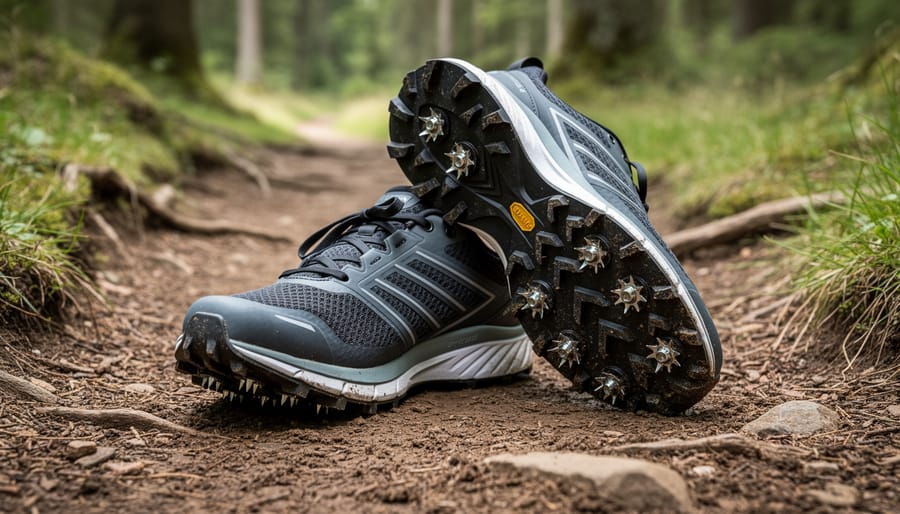
The most obvious difference is the aggressive tread pattern on the outsole. Cross country shoes feature pronounced lugs or accept metal spikes that dig into grass, mud, and loose dirt. These aren’t the shallow grooves you’ll find on road shoes. The lugs are deeper, more widely spaced, and often arranged in patterns that shed mud while maintaining grip through sharp turns and steep inclines.
Weight is another critical distinction. Cross country shoes strip away every unnecessary gram. Midsole cushioning is minimal compared to road shoes because runners need to feel the ground beneath them, especially on uneven surfaces where split-second adjustments prevent rolled ankles. This reduced stack height also lowers your center of gravity, improving stability when the course gets technical.
The upper construction reflects this minimalist philosophy too. Lightweight mesh dominates, often with reinforced toe boxes to handle brush and debris but without the heavy overlays common in trail shoes. Many designs incorporate drainage ports because muddy conditions are inevitable, and wet, heavy shoes cost precious seconds.
I learned this the hard way during my first cross country meet. I showed up in my comfortable trail runners, confident their tread would handle the course. Within the first kilometer, I watched competitors in proper spikes pull away effortlessly on the grassy sections while I fought for traction. My shoes felt like anchors. After that race, I invested in actual cross country shoes and immediately understood the difference. The ground felt closer, my foot strike more responsive, and climbs that had exhausted me suddenly felt manageable.
Spike compatibility sets many cross country shoes apart from both road and traditional trail options. Removable metal pins screw into threaded receptacles in the forefoot, letting you customize traction for specific conditions. Hard-packed dirt might need shorter spikes, while deep mud demands longer pins for grip.
Key Factors to Consider When Buying
Terrain and Course Conditions
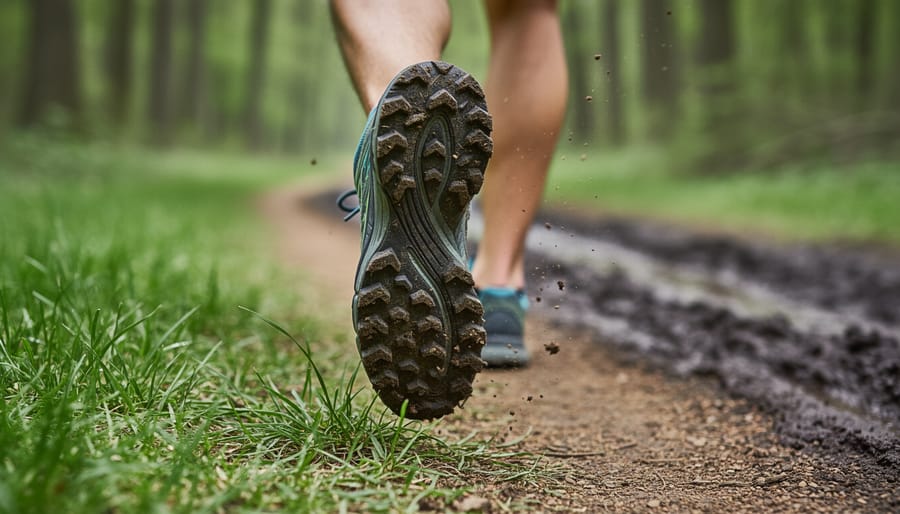
The surface you’ll race on should drive your shoe choice more than any other factor. Grass courses with firm, dry conditions need moderate tread depth, typically 3-4mm lugs that grip without adding unnecessary weight. These shoes work well for most championship meets held on manicured fields.
Muddy courses demand aggressive tread patterns with deeper, more widely-spaced lugs (5-6mm or more) that shed mud rather than collecting it. Look for shoes with drainage ports and patterns that channel debris away from the footbed. Many runners keep a dedicated “mud pair” for wet seasons.
Hard-packed dirt and gravel courses perform best with lower-profile lugs and firmer rubber compounds that prevent premature wear. The tread pattern matters less here than durability and ground contact area.
For mixed terrain races, common in regional competitions, choose versatile shoes with moderate lug depth and multi-directional tread patterns. These handle transitions from grass to dirt to occasional pavement without compromising traction. When researching where to buy cross country shoes, ask about return policies so you can test different tread patterns on surfaces similar to your target courses before committing.
Spikes vs. Spikeless Options
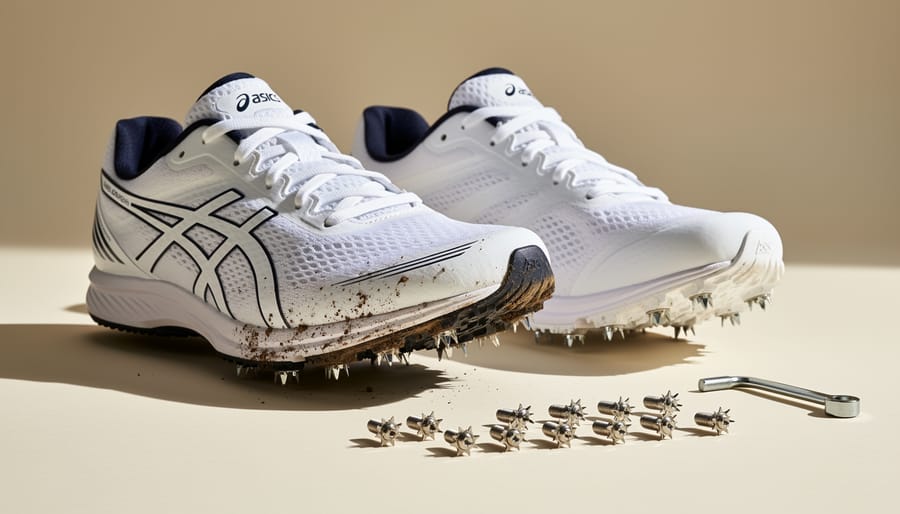
Spikes deliver superior grip on grass and dirt when conditions allow. Removable metal pins bite into soft ground, offering traction that rubber alone can’t match in fast races. Most competitive runners rely on spiked shoes for championship meets where tenths of a second matter. Check your conference or association rules before race day, as governing bodies set limits spike height rules that vary by competition level.
Spikeless shoes with aggressive rubber lugs work better for hard-packed courses, rocky terrain, or frequent road crossings where metal pins slip. They’re also ideal for training, since constant spike replacement adds expense and hassle. Runners tackling varied surfaces during practice often prefer the versatility of grippy rubber that handles both dirt paths and paved sections without damage.
Consider owning both types if your season includes diverse courses. Use spikes for soft, grassy championship races and save spikeless options for training runs, multipurpose workouts, and competitions on firmer ground. Testing each style during practice reveals which gives you confidence when you need it most.
Fit, Size, and Comfort
Getting the fit right is non-negotiable for cross country racing shoes. Unlike your daily trainers, these shoes sit closer to the ground and offer less room for error.
Start with size. Your foot swells during hard efforts, especially in races lasting more than twenty minutes. Leave about a thumbnail’s width between your longest toe and the shoe’s end. This prevents black toenails on downhill sections when your foot slides forward. I learned this the hard way after a muddy 8k where tight shoes left me hobbling for weeks.
The midfoot lockdown matters more than overall size. Cross country courses throw sharp turns and uneven ground at you constantly. Your heel shouldn’t lift when you’re on your toes, and the upper should hug your arch without pinching. Many racing shoes use minimal padding to save weight, so if you feel pressure points in the store, they’ll only worsen during a race.
Try shoes on in the afternoon when your feet are naturally larger. Wear the same thin racing socks you’ll compete in, thicker socks change everything. Walk around, jog in place, and mimic the quick lateral movements you’ll face on course. If something feels off, it won’t magically improve at mile two.
Types of Cross Country Running Shoes Compared
Racing Spikes for Competition
Racing spikes represent the pinnacle of cross country footwear for serious competitors chasing podium finishes and personal records. These ultra-lightweight shoes strip away excess cushioning and protection in favor of maximum ground contact and traction, making them ideal for championship races where every second counts on fast, well-maintained courses.
The defining feature is the metal pin system, usually six to eight removable spikes positioned strategically across the forefoot and sometimes the heel. Most competitive runners choose 6mm pins for general cross country conditions, providing enough bite without excessive penetration that slows forward motion. Shorter 3mm or 4mm pins work well on harder surfaces where you need grip without plunging into the ground, while 9mm to 12mm pyramid or Christmas tree spikes excel in deep mud or loose terrain where maximum penetration is essential.
Unlike the cushioned construction in our trail shoe buying guide racing spikes sacrifice comfort for speed. The minimal foam platforms sit just millimeters from the ground, delivering exceptional proprioception that lets you feel terrain changes instantly and adjust your stride accordingly. This responsive feel translates to faster turnover and improved running economy during races.
The aggressive plate systems in competition spikes, typically rigid carbon fiber or stiff nylon, propel you forward with each toe-off while protecting your feet from rocks and roots. Most weigh between 4 to 6 ounces per shoe, making them substantially lighter than training options and allowing for quicker leg turnover throughout races.
Training and Multi-Use Options
Training and multi-use cross country shoes bridge the gap between dedicated racing spikes and everyday trainers, making them the workhorse option for runners who need versatility. These shoes feature more cushioning than racing flats while maintaining aggressive tread patterns that handle grass, dirt, and light mud. The added midsole protection means you can log higher mileage without the pounding that comes from minimal racing shoes, yet they’re still light and responsive enough for tempo workouts and low-key meets.
The durability factor matters most here. Reinforced uppers withstand repeated encounters with rocks and roots, while thicker rubber outsoles last through an entire season of daily training. Many runners keep racing spikes exclusively for championship meets and rely on multi-use shoes for everything else, interval sessions, long runs on trails, dual meets, and muddy practice courses.
Look for models with removable insoles so you can adjust the cushioning level, and uppers that shed water quickly after wet conditions. The slight weight penalty compared to pure racing shoes pays off in reduced fatigue during high-volume training weeks and lower replacement costs over time.
Weather-Specific Designs
Weather can make or break a cross country race, and the right shoe design matters more than most runners realize. When courses turn into muddy bogs after rain, you need deeper, more widely-spaced lugs that shed mud rather than clogging. Look for shoes with aggressive tread patterns featuring pronounced spacing between lugs, they’ll maintain traction when conditions deteriorate. Some designs incorporate drainage ports that let water escape quickly, keeping your feet lighter.
For dry, hard-packed courses, you want a different approach. Shallower, more densely arranged lugs provide better grip on firm ground without unnecessary bulk. These shoes often feature slightly stiffer plates that protect your feet from roots and rocks while maintaining responsiveness.
Waterproof membranes sound appealing but usually backfire in cross country racing. Once water enters through the top (and it will), waterproof materials trap moisture inside, creating a heavy, sloshing mess. Most competitive runners prefer shoes with breathable mesh that drains naturally. If you’re racing in consistently wet conditions, accept that your feet will get wet and choose shoes that handle water efficiently rather than trying to keep it out. Quick-drying materials and good drainage beat waterproofing every time.
Finding the Right Shoe for Your Running Level
Your experience level directly influences which cross country shoe features matter most. Beginners benefit from more forgiving designs, while advanced runners can handle, and often prefer, minimal, race-focused constructions.
For Beginning Cross Country Runners
If you’re new to cross country or running in general, prioritize durability and injury prevention over shaving ounces. Start with training-oriented shoes that offer moderate cushioning and a stable platform. These shoes typically feature:
• More substantial midsole foam than pure racing spikes
• Reinforced uppers that withstand regular training wear
• Moderate tread depth that works across multiple surfaces
• Slightly heavier construction (usually 7-9 ounces per shoe)
Beginning runners need shoes they can wear for daily practice without risking stress fractures or overuse injuries. Your feet haven’t yet adapted to minimal footwear, and your form is still developing. A shoe with some forgiveness helps your body adjust to cross country’s varied terrain without excessive impact stress.
Consider spikeless options with aggressive rubber lugs for your first season. You’ll get sufficient traction for most courses while maintaining versatility for different training surfaces. Save the ultralight spikes for when you’ve built a stronger running foundation.
For Intermediate Runners
Once you’ve completed a season or two, you can transition toward lighter, more responsive shoes. At this level, you’re balancing speed with reasonable protection. Look for shoes weighing 6-8 ounces that blend racing performance with training durability.
Intermediate runners often benefit from owning two pairs: a more protective training shoe for everyday workouts and a lighter racing spike for competitions. This rotation extends shoe life while giving you the right tool for each situation. Your racing spikes might feature removable pins for course-specific traction, while your training pair offers enough cushioning for higher mileage weeks.
For Advanced and Competitive Runners
Experienced cross country runners can handle minimal shoes designed purely for speed. These ultralight spikes (typically 4-6 ounces) sacrifice durability and cushioning for maximum ground feel and traction. You’ll notice:
• Thin, barely-there uppers that reduce weight
• Minimal midsole foam for direct ground contact
• Aggressive spike plates optimized for specific surfaces
• Snug, race-tight fits that minimize foot movement
At this level, you’re choosing shoes for specific race conditions rather than all-around use. You might own separate pairs for muddy versus dry courses, or different spike lengths for grass versus hard dirt. Your feet and legs have adapted to minimal footwear, and your refined form allows you to handle less supportive constructions without injury risk.
Advanced runners typically replace racing spikes after one season of competition, accepting shorter lifespan as the trade-off for peak performance.
Common Mistakes to Avoid When Choosing
Many runners sabotage their cross country performance before they even reach the starting line by making avoidable mistakes when selecting shoes. Learning from these common errors can save you time, money, and frustration.
One of the biggest missteps is purchasing shoes too close to race day. A high school runner I coached once bought new spikes the Thursday before his Saturday championship meet, eager to gain every competitive edge. He developed severe top of foot pain during warm-ups because the shoes hadn’t been broken in, and he couldn’t finish the race. Always buy cross country shoes at least three weeks before an important competition and test them in multiple training sessions.
Another frequent error is fixating exclusively on weight. Yes, lighter shoes feel faster, but if they don’t provide adequate traction for your course conditions or cause discomfort after two miles, you’ll lose far more time than a few extra ounces would cost. The lightest racing spike won’t help you if you’re sliding around corners on wet grass.
Here are the most common mistakes runners make when choosing cross country shoes:
- Wearing road running shoes on cross country courses, leading to poor traction and increased injury risk
- Ignoring course-specific terrain when selecting tread patterns and spike configurations
- Choosing spike length based on what teammates use rather than race surface conditions
- Buying shoes online without trying them on, resulting in fit problems discovered too late
- Selecting shoes based primarily on appearance or brand hype instead of functionality
- Neglecting to practice with spikes before racing, causing awkward stride adjustments mid-race
Perhaps the most preventable mistake is skipping proper testing. Just like avoiding other pre-run mistakes you need to simulate race conditions during training. Run repeats at race pace wearing your competition shoes on similar terrain to what you’ll encounter. Pay attention to hot spots, pressure points, and whether the traction meets your needs.
Don’t assume that shoes with removable spikes must always have spikes installed, either. On hard, dry courses, aggressive rubber lugs often provide better traction than short spikes, which can feel slippery on packed dirt. Experiment during practice to discover what works best for the conditions you’ll actually face.
Getting the Most From Your Investment
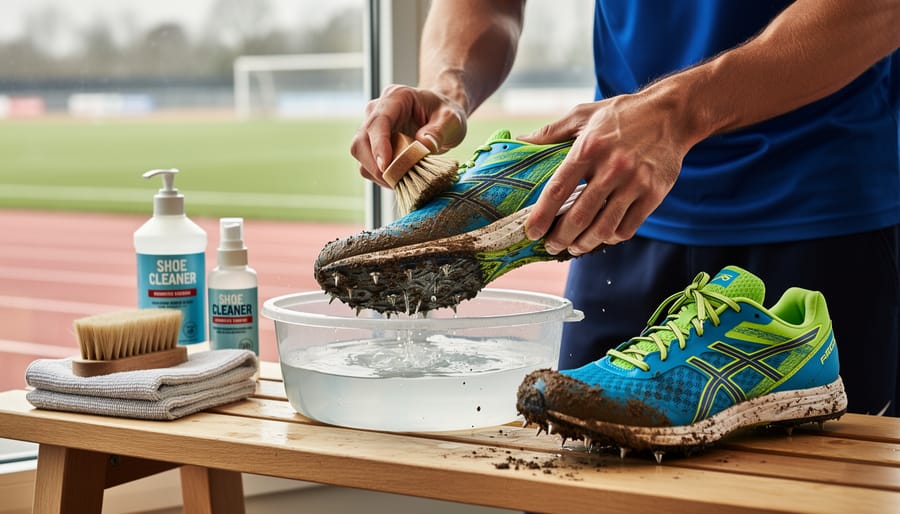
Cross country shoes represent a focused investment in your performance, and a few maintenance habits can double their usable life. After every muddy race or wet workout, rinse the shoes under cold water while the dirt is still fresh, caked mud left to dry hardens the upper and stiffens the midsole. Scrub the outsole with a soft brush to clear tread channels, then stuff the shoes with newspaper and let them air dry away from direct heat. Radiators and dryers break down adhesives and warp the shape.
Check your spikes after each race. Grass and mud pack into the threads, so unscrew each pin, wipe the holes clean, and replace any bent or worn spikes before they snap off mid-race. Carry a spike wrench in your gear bag and a few spare pins, lost spikes cost you traction when it matters most.
Rotate between two pairs if your training volume allows it. Alternating shoes gives midsole foam time to decompress between runs, which preserves cushioning and extends overall lifespan. Reserve your lighter racing pair for competitions and hard workouts, then use a more durable training option for easy days and long runs on varied surfaces.
Replace shoes once you notice smooth tread lugs, compressed midsoles that no longer spring back after a run, or upper tears that affect stability. Most cross country shoes deliver 200 to 300 miles depending on terrain and runner weight, far less than road shoes because the aggressive tread and minimal cushioning wear faster.
For maximum lockdown on uneven ground, experiment with lacing patterns. A heel lock (also called a runner’s loop) prevents slippage on downhills, while skipping an eyelet near pressure points relieves hotspots during longer races.
Frequently Asked Questions
What’s the real difference between cross country shoes and trail running shoes?
Cross country shoes are built lighter and lower to the ground for racing speed on relatively maintained courses like grass and dirt. Trail running shoes prioritize protection and durability for rough terrain, rocks, and roots, with more cushioning and aggressive outsoles designed for recreational distance rather than competition pace.
Do I need multiple pairs of cross country shoes?
Most competitive runners benefit from at least two pairs, one for training and one dedicated to racing. This extends the life of your race-day shoes, lets you match footwear to specific workout conditions, and ensures you have a backup if one pair gets waterlogged or damaged before an important meet.
How do I choose the right spike length?
Start with quarter-inch spikes for most courses, which provide solid traction without excessive weight. Switch to three-eighths-inch spikes for muddy or soft conditions where you need deeper grip, and consider blank pins or pyramid spikes for extremely hard surfaces to prevent slipping.
Should cross country shoes fit differently than my regular running shoes?
Yes, you can size them slightly snugger since races are shorter than training runs and minimal foot swelling occurs. Still leave about a thumb’s width in the toe box for downhill sections, and ensure the midfoot locks down securely to prevent slippage during quick turns and surges.
When should I choose spikeless shoes instead?
Spikeless options work well for training on mixed surfaces, courses that prohibit metal spikes, or when racing on extremely hard ground where spikes offer minimal advantage. They’re also ideal if you’re just starting cross country and want one versatile shoe for both practice and competitions before investing in specialized race spikes.
Can I use my cross country shoes for track workouts?
It’s better to avoid this. Track spikes have different pin configurations and plate designs optimized for synthetic surfaces, while cross country shoes can damage rubberized tracks and won’t give you proper traction on that surface. Keep separate footwear for each discipline to protect both your shoes and the track facility.
These questions come up constantly because cross country footwear occupies a unique middle ground between road racing and trail running. The answers often surprise new runners who assume any lightweight shoe will work, or that more spikes automatically mean better performance. Understanding these distinctions helps you spend money on the right tool rather than accumulating shoes that don’t quite match your actual racing conditions.
Choosing the right cross country running shoes isn’t about chasing the latest trend or buying the most expensive pair on the shelf. It’s about finding footwear that matches your feet, your courses, and your goals. When your shoes work with you instead of against you, everything changes. You’ll notice better traction through muddy corners, more confident footing on uneven ground, and legs that feel fresher at the finish line.
The investment you make in proper cross country shoes pays dividends in performance and injury prevention. Test your choices during training runs before race day. Pay attention to how they handle the terrain you’ll actually face. A shoe that fits well and grips confidently becomes an extension of your stride, letting you focus on your race strategy instead of your footing.
Remember, every runner who stands on a starting line started somewhere. The shoes that carry you across grass, dirt, and challenging courses become part of your journey toward faster times and stronger finishes. Choose wisely, train consistently, and trust that the right preparation, including the right footwear, sets you up for your best performance. Your personal records are waiting on the other side of that finish line.